Healthcare Marketing Should Inform, Not Sell
Patients choose a hospital when they are anxious and uncertain. Marketing that educates and reassures, and is medically accurate, builds a kind of trust that advertising cannot buy.
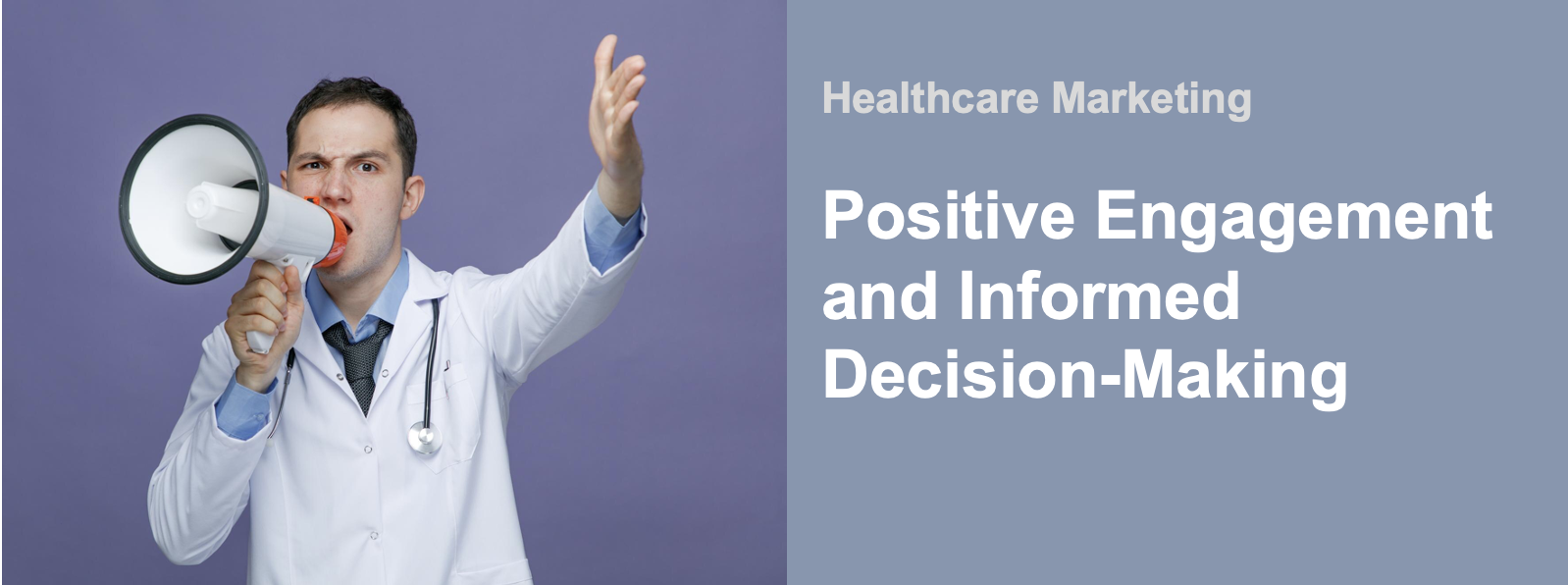
Healthcare marketing in the Gulf has become crowded. New hospitals and clinics compete for the same patients with the same promises: world-class care, the latest technology, the best doctors. Patients have learned to discount most of it. What they look for instead is information they can use, from a source they trust.
Why this matters
A patient deciding where to be treated is not making an ordinary purchase. They are often frightened, sometimes in pain, and making a decision that matters a great deal. Marketing that exploits that anxiety damages trust in the hospital and in healthcare generally. Marketing that helps them understand their condition and their options earns trust that lasts beyond a single visit.
There is also a commercial case. Patients increasingly research online before they book, and they rely heavily on reviews. Reputation is built in every interaction, and it is destroyed quickly by a gap between what was promised and what was delivered.
Principles I have applied
Educate first. The most effective content we produced was patient education, written or recorded by our own specialists, linked to the doctors who treat the condition. It answered real questions and naturally led to appointments.
Be positive and accurate. Reassurance works better than fear. But every claim and every piece of clinical information should be reviewed by a qualified clinician before it is published. Medical misinformation spreads fast, and a hospital's name should never be attached to it.
Know your audience. Different communities, age groups and nationalities need different messages, channels and languages. One campaign for everyone serves nobody well.
Map the patient journey. Marketing does not end at the booking. Understanding every point of contact, from first search to follow-up, shows where communication helps and where it lets patients down.
Be part of the community. Health awareness events, partnerships with schools and employers, and support for local initiatives demonstrate commitment more convincingly than any advertisement.
Make staff ambassadors. Patients ask employees about services all the time. Staff who know and believe in their hospital are its most credible voice.
Questions for boards and leadership teams
- Is every clinical claim in our marketing reviewed by a qualified clinician before publication?
- What proportion of our content helps patients understand their health, rather than promoting our services?
- Does what we promise in marketing match what patients experience when they arrive?
In healthcare, the best marketing is information a patient can trust, delivered by people who keep the promise.
Dr Fatih Mehmet Gul is a physician and healthcare executive who has built, commissioned and led hospitals across the Gulf and Türkiye. He is an Honorary Professor at UCL Global Business School for Health, author of Connected Care, and host of The Chief Healthcare Officer podcast.
More insights →