Buildings Age, Experience Is Remembered
New hospitals compete on buildings and equipment. Both age quickly. What lasts is the experience a hospital creates for everyone it touches, and that starts with its own staff.
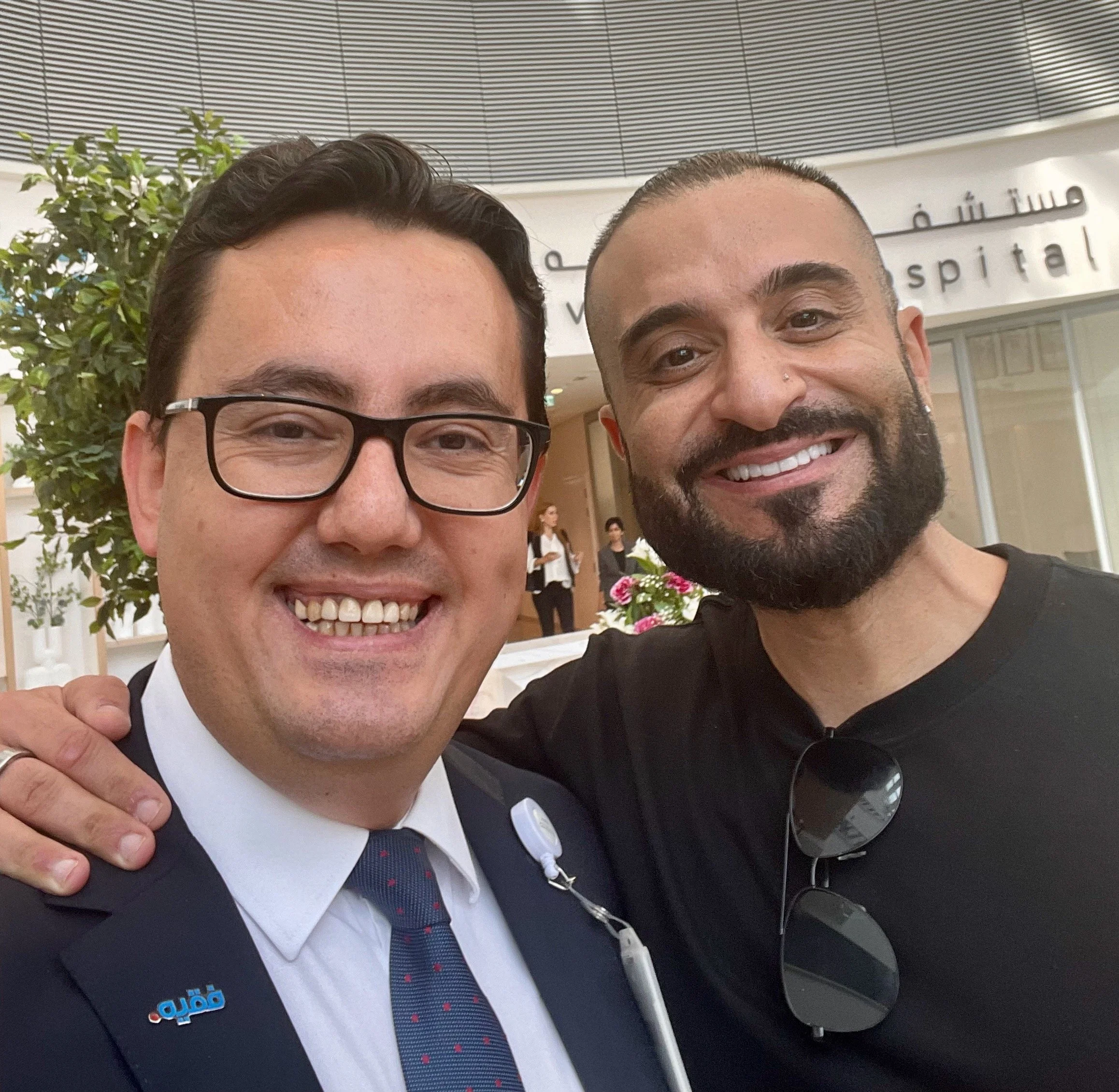
When we launched the brand of Fakeeh University Hospital in Dubai, I spent several days with radio presenters and journalists. They expected the usual introduction: an impressive building and the latest equipment. Those had become standard parts of every hospital launch. I chose to talk about something else, our experience model.
Why this matters
Across the Gulf, new hospitals open with excellent facilities. A patient choosing between them sees marble lobbies and the same scanners. Within a few years, the building is no longer new and the equipment has been matched by competitors. What a patient remembers for decades is how they were treated: whether they were listened to, whether things were explained, whether staff seemed to care.
That memory decides where they return and what they tell their family. For a hospital, it is the most durable asset there is.
Experience is not only the patient's
In my management model, a hospital has many stakeholders whose experience matters:
- Patients and their families, who judge the hospital at every contact, not only in the consultation.
- Employees, whose experience shapes everything patients feel.
- Visitors, who form opinions in car parks, corridors and waiting areas.
- Shareholders, who need clarity, predictability and honest reporting.
- Government and regulators, who need a reliable partner.
- Suppliers, whose goodwill matters when supply is short.
The quality of a hospital is, in the end, the sum of these experiences. Neglect one and it shows up in the others.
Start with the staff
Patients will not smile if the people caring for them do not smile. Employee experience is not a separate human resources topic; it is the foundation of patient experience. Staff who feel respected, informed and supported treat patients with the same respect. Staff who are exhausted and unheard pass that on, however good the training.
So when we design operations, we ask how each decision will feel to the people affected by it: the patient at the front desk, the nurse on a night shift, the supplier waiting for payment.
What I have seen work
Design the experience deliberately. Map the journey for each stakeholder group and decide what each contact should feel like, rather than leaving it to chance.
Measure it as seriously as finance. Patient and employee experience belong on the same dashboard as revenue and occupancy, reviewed by the same leadership team.
Make it everyone's job. Experience is created by the cleaner, the receptionist and the surgeon alike. Everyone needs to know what is expected and why.
Questions for boards and leadership teams
- Do we measure employee experience with the same rigour as patient satisfaction?
- Which stakeholder group's experience have we not examined in the past year?
- If our building and equipment were matched tomorrow, what would still set us apart?
Buildings and technology age. The way people were treated is remembered for decades.
Dr Fatih Mehmet Gul is a physician and healthcare executive who has built, commissioned and led hospitals across the Gulf and Türkiye. He is an Honorary Professor at UCL Global Business School for Health, author of Connected Care, and host of The Chief Healthcare Officer podcast.
More insights →