Hospitality in Hospitals Is a Clinical Decision
Comfort, control and dignity in the hospital room are not luxuries added after the clinical work is done. They are part of recovery, and they should be planned with the same care.
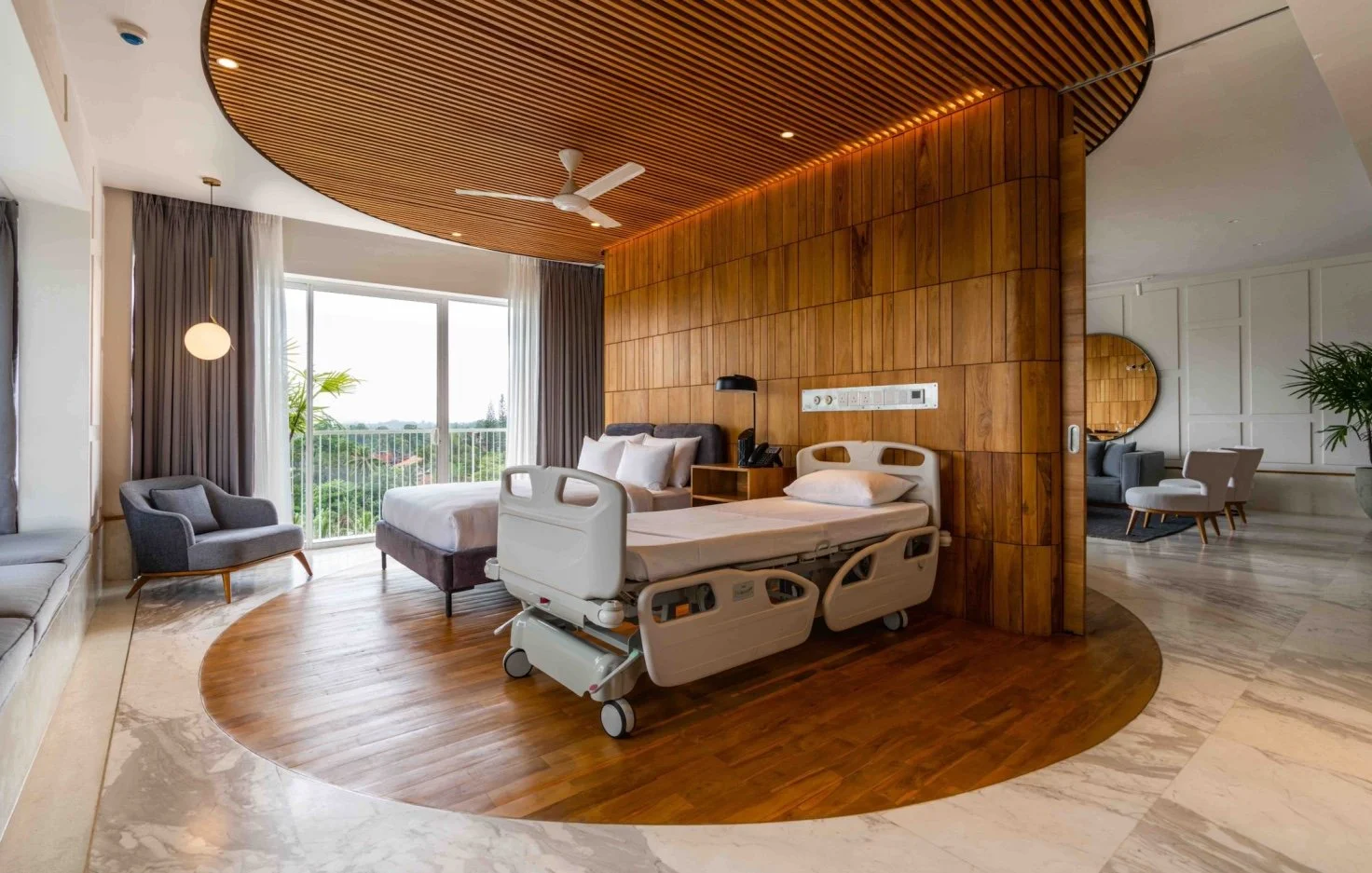
Hospitals in the Gulf have borrowed heavily from hotels in recent years: better linen, in-room coffee, menus, valet parking, suites. Some of this is genuine progress. Some of it is decoration. The difference matters, because every riyal or dirham spent on the room is one not spent elsewhere, and patients can tell the difference between being comforted and being impressed.
Why this matters
A patient in a hospital bed has lost control of almost everything: their time, their body, their privacy. Hospitality, done well, gives some of that control back. Being able to adjust the light, choose a meal, reach family on a reliable connection and sleep in a quiet room supports rest and reduces anxiety. Those are clinical outcomes, not only satisfaction scores.
What genuinely helps
Control over the environment. Lighting, temperature and privacy that patients can adjust themselves, from the bed.
Connection. Reliable Wi-Fi and charging points within reach. For many patients, especially those far from home, the phone is the link to the people who help them recover.
Rest. Quiet corridors, fewer unnecessary night-time interruptions, comfortable bedding. Sleep is one of the most neglected parts of inpatient care.
Dignity. Well-designed bathrooms, proper gowns and robes, and space for family to stay.
Information. In-room screens and tablets that let patients see their plan for the day, order meals and ask for help, and that let care teams respond quickly.
Easy arrival. Clear signage, accessible entrances and simple parking. The experience starts in the car park, not at the bedside.
Where hospitals overspend
Tiered rooms, from standard to VIP suites, are a legitimate commercial choice in a market where patients expect them. The risk is building the hospital around the suite rather than the standard room. Most patients stay in standard rooms, and that is where the investment in rest, control and dignity should go first. A gold tap does not help anyone recover.
The other risk is treating hospitality as a facilities project. Amenities only work if the people around them behave like hosts. A beautiful room with a dismissive nurse is not a good experience.
Questions for boards and leadership teams
- If we spend more on the room, which measure of recovery or experience do we expect to improve, and how will we know?
- Is our investment weighted towards the rooms most patients use, or the rooms that photograph best?
- Are our staff trained and supported to act as hosts, not only as clinicians?
Hospitality in a hospital is not about luxury. It is about giving patients back some control at the moment they have lost most of it.
Related: HOSPOTEL and its impact on patient satisfaction, published in Hospitals Magazine (see Media).
Dr Fatih Mehmet Gul is a physician and healthcare executive who has built, commissioned and led hospitals across the Gulf and Türkiye. He is an Honorary Professor at UCL Global Business School for Health, author of Connected Care, and host of The Chief Healthcare Officer podcast.
More insights →