People First, Technology Next
Digital transformation in hospitals fails on people long before it fails on technology. The order in which a hospital invests matters more than the size of the investment.
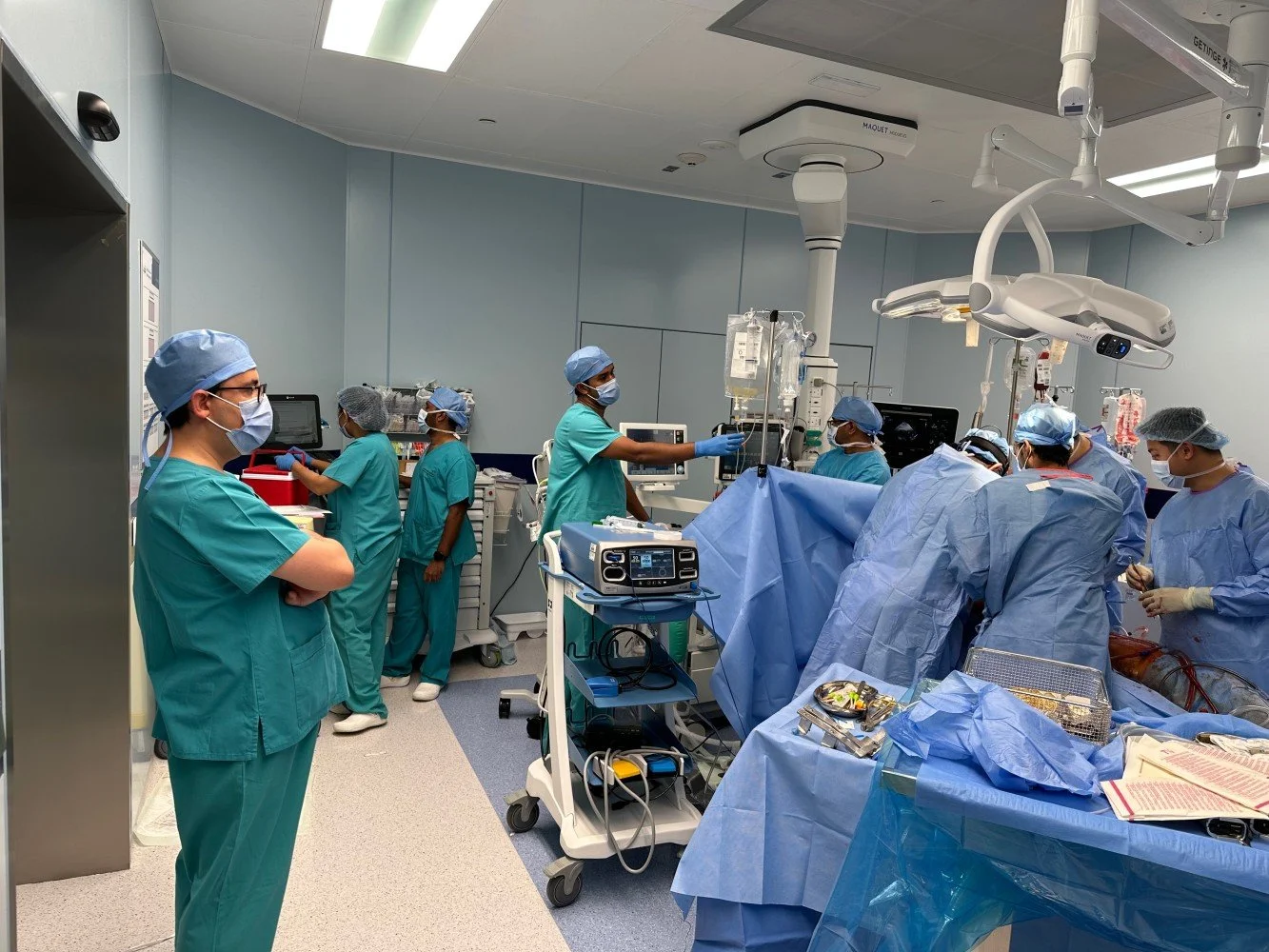
Some of the most useful hours in my week as a hospital chief executive were spent away from my desk. I joined teams on executive rounds, not only in corridors and wards but in operating theatres, to see the work as it is actually done and to hear what was getting in the way. Almost every conversation came back to the same point. The technology we had bought was only as good as the people using it, and the time they had to use it well.
Why this matters now
Hospitals in the Gulf are investing in digital health at remarkable speed: new electronic records, patient apps, remote monitoring and, increasingly, AI. The money is real and so is the ambition. But a system that clinicians do not trust, or that adds clicks to an already full day, does not transform care. It adds work, produces data nobody acts on, and teaches staff that the next project will be no different.
This is the idea behind Connected Care. Technology should serve clinical judgment and the relationship between clinician and patient, not compete with them. The problem in most hospitals is not too little data. It is too much data without synthesis.
What I have seen work
Go where the work happens. Executive rounds, including in theatres, show a leader things no dashboard will. They also show staff that leadership understands their day before asking them to change it.
Involve the people who will use the system before you choose it. Nurses, physicians, pharmacists and front-desk teams know where the friction is. When they help select and design a system, they also become the people who make it work.
Measure adoption, not go-live. A go-live date is a milestone for the project team. The measure that matters is whether clinicians use the system well six months later, and whether it gives time back to the bedside.
Build the team before the technology. Attracting and keeping people who are motivated by care and work well together is harder than buying software, and more important. A strong team will make imperfect technology useful. A weak one will make excellent technology fail.
Questions for boards and leadership teams
- For each major digital investment, who are the frontline users, and how were they involved in the decision?
- How will we know, a year from now, whether this system has given clinicians more time with patients or less?
- What are we investing in our people alongside the technology?
When we value our people, innovation has somewhere to grow. Technology comes next.
Further reading: Connected Care: A Digital Transformation Roadmap that Elevates Human-Centred Healthcare (connected.care).
Dr Fatih Mehmet Gul is a physician and healthcare executive who has built, commissioned and led hospitals across the Gulf and Türkiye. He is an Honorary Professor at UCL Global Business School for Health, author of Connected Care, and host of The Chief Healthcare Officer podcast.
More insights →