A Culture of Recognition Saves Lives
Engaged staff deliver safer care, and recognition is one of the strongest drivers of engagement. Most of what works costs almost nothing.
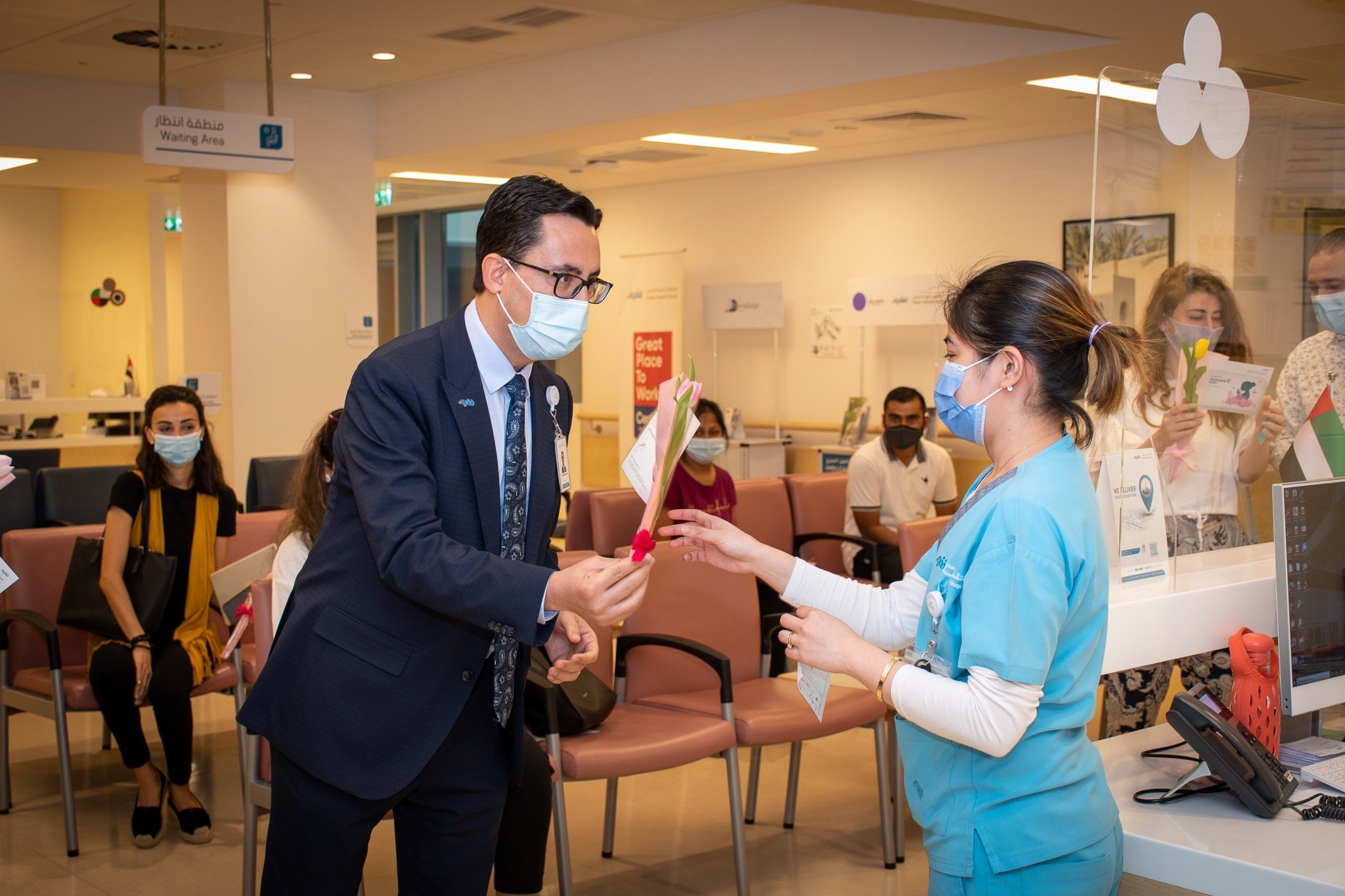
Hospitals compete hard for talent. New facilities across the Gulf offer modern equipment, attractive packages and the promise of growth. Yet the people I have seen stay longest, and perform best, rarely stayed for equipment or salary alone. They stayed because they felt their work was seen.
Why this matters
Research has long linked nurse engagement with better patient outcomes and fewer errors. Recognition is one of the most powerful drivers of that engagement. It shapes culture, reduces turnover and, through the way staff treat patients, shapes patient experience too. Patients will not smile if the people caring for them do not.
That makes recognition a patient-safety and retention strategy, not a human resources nicety.
Six practices that work
1. Tie recognition to your values. If patient experience is your priority, recognise it. Each month, we celebrated the employees patients had named in their online reviews. It sent a clear message about what mattered.
2. Decentralise it. Recognition should not belong to the executive floor. Every department leader should have the means to recognise their team. It strengthens the bond between leaders and staff where it matters most.
3. Let patients take part. Patients and families see staff at their best and worst. Giving them simple ways to nominate the people who made a difference increases both recognition and patient engagement.
4. Listen as a form of recognition. Executive rounds, where leaders walk the wards and talk to staff and patients, are recognition in themselves. Regular surveys of engagement, culture and just culture tell staff that their views count, and give leaders the best improvement ideas, which usually come from the front line. Most people value a sincere thank-you more than anything else.
5. Make it spontaneous. Avoid bureaucracy. In one hospital, each leader received five lunch vouchers at the start of every month to hand out on the spot when they saw something exceptional. Simple, immediate and personal.
6. Remember that money is not the only currency. Development opportunities, a personal note, a hospital-wide message or a team celebration often mean more than a bonus, and they can be given far more often.
Questions for boards and leadership teams
- Do our recognition programmes reflect the values we say matter most?
- Can every department leader recognise their team without asking permission?
- When did our chief executive last thank a member of staff in person, on the ward?
Recognition costs very little. Losing good people because nobody noticed them costs a great deal.
Dr Fatih Mehmet Gul is a physician and healthcare executive who has built, commissioned and led hospitals across the Gulf and Türkiye. He is an Honorary Professor at UCL Global Business School for Health, author of Connected Care, and host of The Chief Healthcare Officer podcast.
More insights →