Healthcare for 1.8 Million Pilgrims: Lessons from the Hajj
The Hajj is one of the world's great logistical and public health operations. Its lessons in planning, partnership and technology reach far beyond Saudi Arabia.
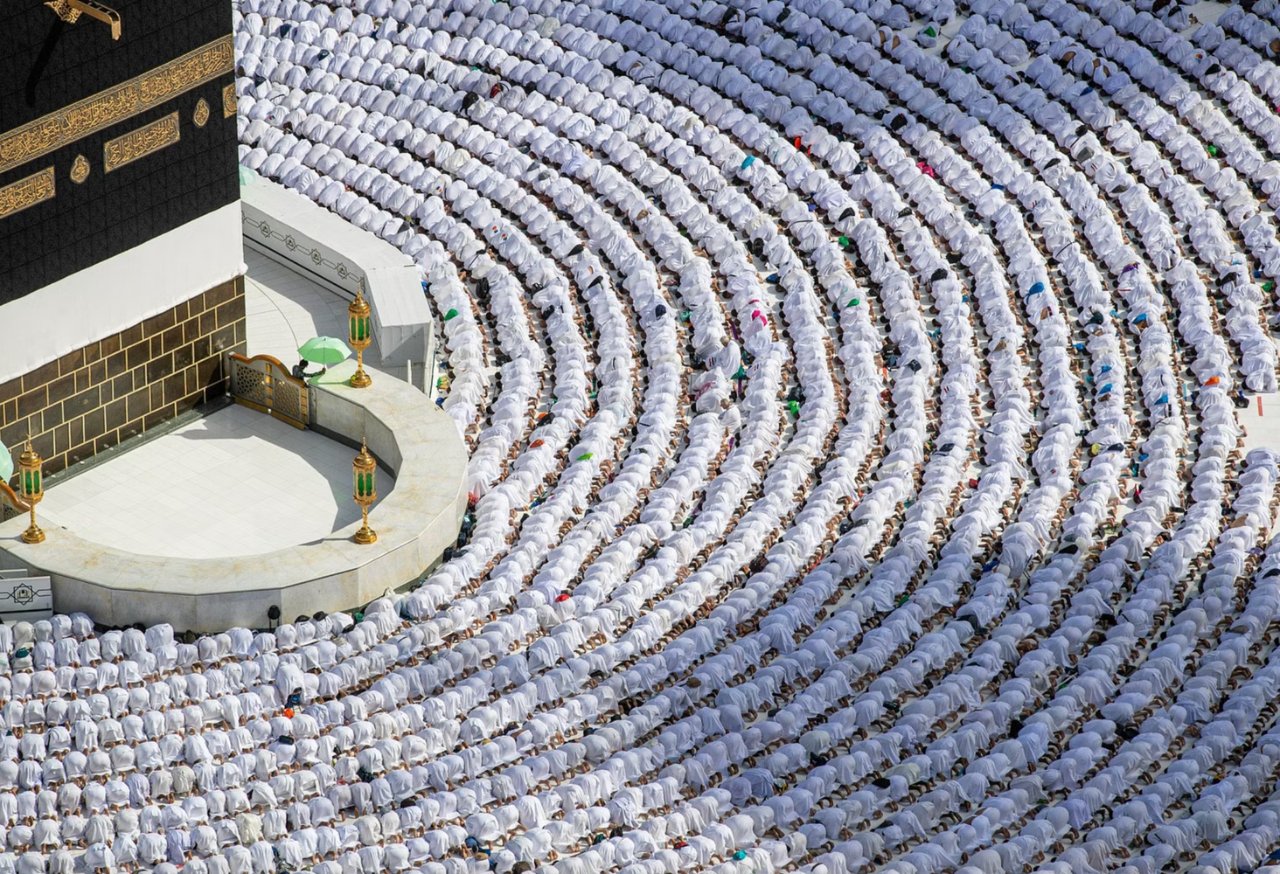
In 2023 (1444 AH), Saudi Arabia's General Authority for Statistics counted more than 1.84 million pilgrims. Delivering healthcare to that many people, in desert heat, within a few days and a few square kilometres, is a remarkable undertaking. The Ministry of Health reported a Hajj without epidemics or major public health hazards.
The scale of the operation
According to the Ministry, more than 350 health facilities were prepared, staffed by over 36,000 health professionals and more than 7,600 volunteers. Close to 400,000 pilgrims received care. Some needed advanced treatment: around 50 underwent open-heart surgery, about 800 had cardiac catheterisation and nearly 1,600 received dialysis. Around 8,000 were treated for heat stress.
Public-private partnership in the field
A distinctive feature of that year was the invitation to private hospitals to run field clinics. Dr Soliman Fakeeh Hospital Jeddah was proud to take part, and our field hospital served thousands of pilgrims. For our teams, it was a chance to carry the hospital's standards beyond its walls and into the field, and it showed what public and private providers can achieve together when the roles are clear.
Digital health at scale
Seha Virtual Hospital provided virtual consultations to around 4,000 pilgrims, a practical demonstration that digital health can extend specialist expertise to a large, temporary and dispersed population.
Lessons for any mass gathering
- Plan early and in detail, with the expected clinical mix modelled in advance, from heat illness to cardiac emergencies and dialysis.
- Coordinate across agencies, with one command structure and clear responsibilities.
- Bring the private sector in deliberately, with defined roles, standards and reporting.
- Use virtual care to extend scarce specialist capacity.
- Prevent first: hydration, shade, vaccination and surveillance avert far more harm than any field hospital can treat.
Questions for boards and leadership teams
- Could our hospital stand up a field service for a major event in our region, and how fast?
- What role should private providers play in national emergency and mass-gathering plans?
- Is our virtual care ready to absorb a sudden surge in demand?
- Do we rehearse heat-related and mass-casualty scenarios with other agencies?
The management of health at the Hajj shows what multi-agency teamwork, proactive planning and public-private partnership can achieve.
First published in The Chief Healthcare Officer newsletter on LinkedIn.
Related reading: Future-proofing the health of nations · Care between visits
Dr Fatih Mehmet Gul is a physician and healthcare executive who has built, commissioned and led hospitals across the Gulf and Türkiye. He is an Honorary Professor at UCL Global Business School for Health, author of Connected Care, and host of The Chief Healthcare Officer podcast.
More insights →