If We Built Healthcare Today, Would We Build It This Way?
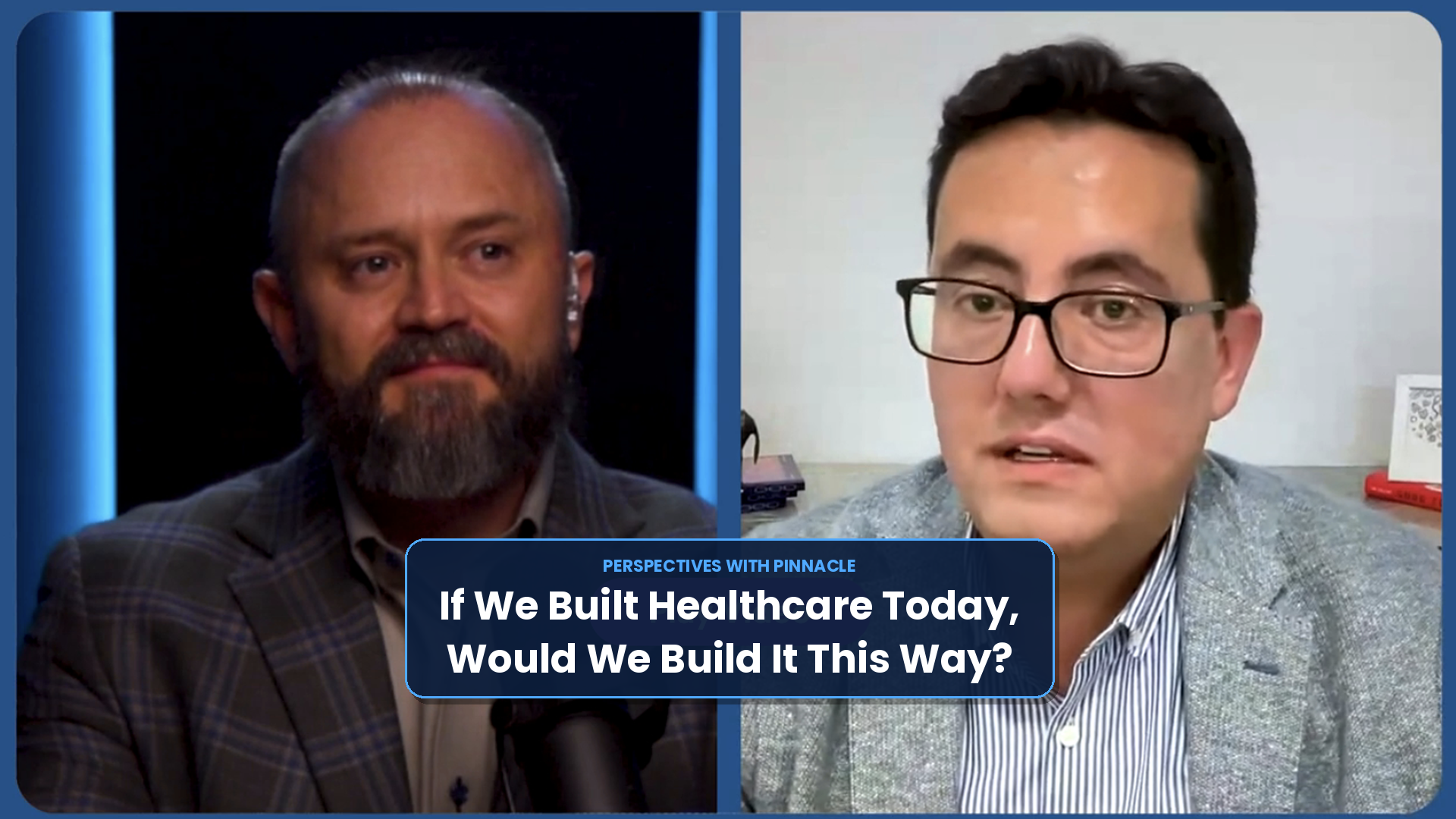
Are we truly transforming healthcare, or simply finding new ways to operate within the same outdated structures? Reflections from my conversation with John P. Carter on Perspectives with Pinnacle.
Over the past 25 years I have had the privilege of commissioning and leading hospitals across Turkey, Saudi Arabia, the UAE and Qatar. Several of them were greenfield projects: an empty site, a blank sheet of paper and a rare chance to design care from first principles.
That experience leaves you with an uncomfortable question that I keep coming back to: are we truly transforming healthcare, or are we simply finding new ways to operate within the same outdated structures?
I recently explored that question with John P. Carter on Perspectives with Pinnacle. Here are the ideas I believe matter most for leaders today.
1. Digitising is not transforming
Healthcare has spent decades investing in technology, yet many of our workflows, care models and organisational structures were designed for a different era. Too often we take an old paper process, move it into a digital system and call it transformation.
Other industries learned this lesson long ago. Aviation and banking did not just computerise their old ways of working. They redesigned the customer experience around what technology made possible. Healthcare has to be equally bold. Real transformation means questioning why we do something before deciding how to digitise it.
2. Design around the whole patient journey, from home to home
Patients don't experience departments. They experience a journey, one that starts at home, when something feels wrong, and ends back at home, ideally with them better and confident about what happens next.
When we map that full journey, the gaps become obvious: hand-offs that fail, information that doesn't travel and moments where the patient feels lost. Designing services, infrastructure and technology around the journey, rather than around our internal structures, is how we start to meet the expectations of today's healthcare consumer.
3. Start technology decisions with people, not products
Disconnected systems and added complexity usually come from one mistake: choosing the technology first and asking the users later.
Technology decisions should start with the real needs of patients, physicians, nurses and the wider care team. Involve frontline staff early. They know where the friction is, and they are the ones who will make or break adoption.
4. Use AI to solve root problems, not to automate inefficiency
AI has enormous potential to improve both clinical and operational workflows. But if we apply it to a broken process, we just get a faster broken process.
The greatest value of AI comes from tackling root causes: reducing administrative burden, improving flow and giving clinicians back the time they need for what only they can do, which is caring for patients.
5. Transformation is a leadership and culture challenge
In my experience, transformation rarely fails because of the technology. It fails because of people, alignment and culture.
Successful change needs disciplined change management, transparent communication and real attention to how each initiative affects employees. Leaders need to understand their communities, stay visible and accessible to their teams, and bring people along rather than impose change on them.
6. Protect the human connection
This is the heart of what I call Connected Care. As healthcare becomes increasingly digital, the clinician–patient relationship must remain the organising principle around which technology is deployed, not something technology slowly erodes.
The best healthcare systems of the future will be the most human, not the most digital, with technology working quietly in the background to make that humanity possible.
Questions for boards and leadership teams
- If we built our organisation from the ground up today, which of our current processes would we keep?
- Have we mapped the full patient journey, from home to home, and who owns each hand-off?
- Are frontline staff involved before we choose a technology, or only after?
- Is our AI fixing root problems, or automating inefficient ones?
The best healthcare systems of the future will be the most human, not the most digital.
Watch the episode
Watch the full episode of Perspectives with Pinnacle. Chapters: 04:11 rethinking care delivery models from the ground up · 06:40 mapping the full patient journey · 15:56 why digital transformation goes beyond automation · 21:28 using AI while preserving human interaction · 24:14 culture and change management in transformation.
My thanks to John P. Carter and the Pinnacle Healthcare Consulting team for a thoughtful conversation.
Related reading: The healthcare leader in the eye of the technology storm · Before you press “Enable AI”
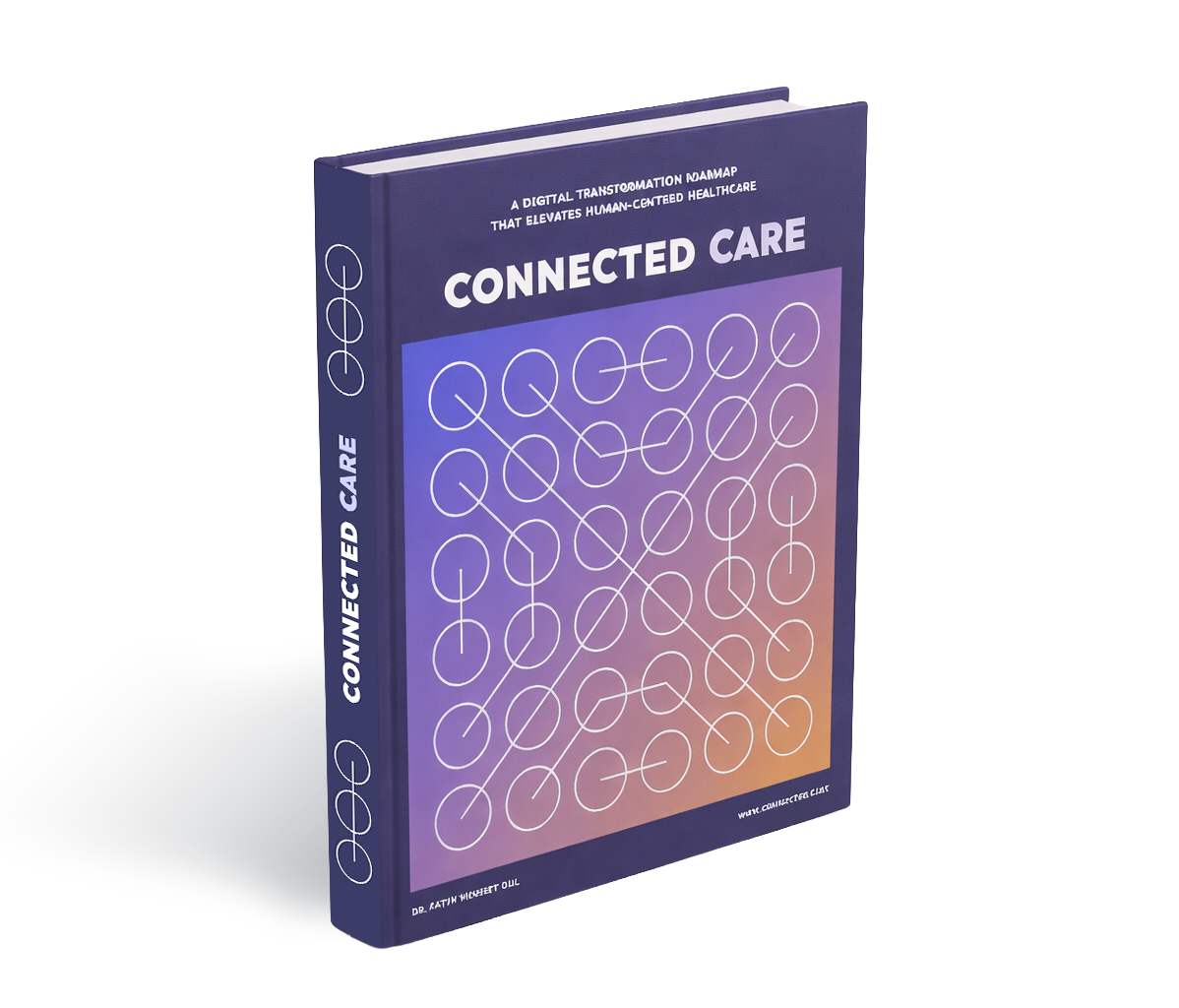
Enjoyed this article? There is more in Connected Care.
Many of the ideas here began in my book on healthcare leadership and digital transformation.
Dr Fatih Mehmet Gul is a physician and healthcare executive who has built, commissioned and led hospitals across the Gulf and Türkiye. He is an Honorary Professor at UCL Global Business School for Health, author of Connected Care, and host of The Chief Healthcare Officer podcast.
More insights →