Heart Health Needs More Than Lifestyle Advice
Cardiology has never had better tools, yet heart disease remains the leading cause of death. The missing piece is continuous connection between patients and their care teams. Seven ways to build it.

Modern cardiology has advanced remarkably. We talk about diet, daily steps, sleep and stress. We have effective medicines and perform complex interventions with great precision. Yet cardiovascular disease remains the leading cause of death worldwide.
Why? Because heart care is not simply about advice. It is about connection.
Lifestyle advice, however good, often ends at the clinic door. The patient leaves with recommendations but without ongoing engagement, follow-up or encouragement, and adherence fades. The gap between what we know and what patients are able to do every day remains wide.
Telling someone to "exercise more" or "reduce salt" assumes they understand the advice, feel motivated to act and have the support to keep going. Most patients struggle not because they lack information but because nobody stays in touch. That is where Connected Care makes the difference.
Seven Connected Care recommendations for heart health
1. Move from episodic to continuous monitoring. Remote monitoring, wearable ECGs, blood pressure apps and risk tools let teams see deterioration early, so intervention becomes proactive rather than reactive. Technology becomes an extension of clinical vigilance.
2. Build digital follow-up into the pathway. After a cardiac consultation or procedure, check-ins, medication reminders, lifestyle nudges and a simple way to report symptoms should be automatic. Follow-up should not depend on the patient remembering to call.
3. Take cardiac care into the community. Education sessions, screening events and workplace wellness partnerships. Heart health is not built in the catheter lab. It is built at work, at school and at home.
4. Use AI for risk prediction. Trends in laboratory results, activity, adherence and wearable data can identify high-risk patients before symptoms escalate. AI should support clinical judgement, never replace it.
5. Make behavioural coaching part of the care model. Cardiac rehabilitation should include coaching, psychological support and peer groups, not only exercise sessions. The heart responds to stress, environment and emotional wellbeing.
6. Bring families into the care team. Families and carers influence medication, diet and early recognition of symptoms. Give them education, shared information and a direct line to the clinical team.
7. Measure engagement, not only clinical numbers. We track cholesterol, blood pressure and heart function. How often do we measure engagement, adherence, digital interaction or the reach of community programmes? Sustainable outcomes need both.
Human touch plus digital infrastructure
The future of heart care is not only more advanced procedures. It is empathy supported by data, personalised care supported by AI and continuous care between visits. Connected Care is not a technology project. It is a cultural change: doctors who stay connected to patients beyond the appointment, and technology that strengthens that relationship rather than distancing it.
Questions for boards and leadership teams
- What happens to a cardiac patient in the 90 days after they leave our hospital, and who owns that period?
- Is digital follow-up part of the standard pathway, or an optional extra?
- Do we measure patient engagement and adherence alongside clinical results?
- How are families and carers included in our cardiac programmes?
The future of heart care is not episodic. It is connected.
First published in the Connected Care newsletter on LinkedIn.
Continue reading
- Care Between Visits: Telemedicine and Wearables. Most of a patient's health happens between appointments, not during them.
- Healthcare in 2050: Connected, or Just Digital?. We can connect a surgeon in China to a robot in Italy, yet a patient next door still struggles to reach their doctor.
- Value-Based Care Starts With Your Own Data. Before a hospital can be paid for outcomes, it has to be able to measure them.
Topics: #ConnectedCare · #PatientExperience · #DigitalTransformation
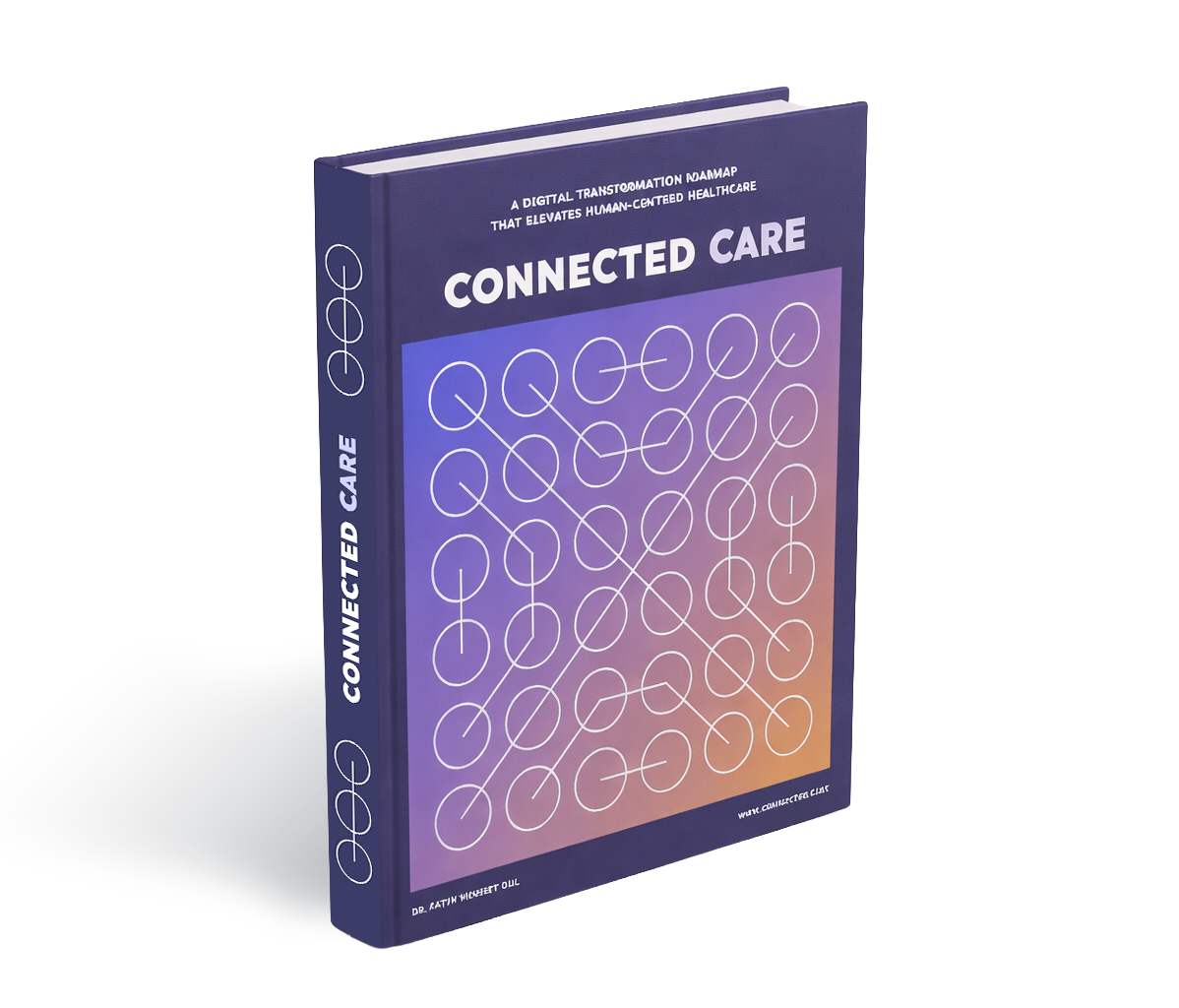
Enjoyed this article? There is more in Connected Care.
Many of the ideas here began in my book on healthcare leadership and digital transformation.
Dr Fatih Mehmet Gul is a physician and healthcare executive who has built, commissioned and led hospitals across the Gulf and Türkiye. He is an Honorary Professor at UCL Global Business School for Health, author of Connected Care, and host of The Chief Healthcare Officer podcast.
More insights →