Insights by topic
Articles on this topic
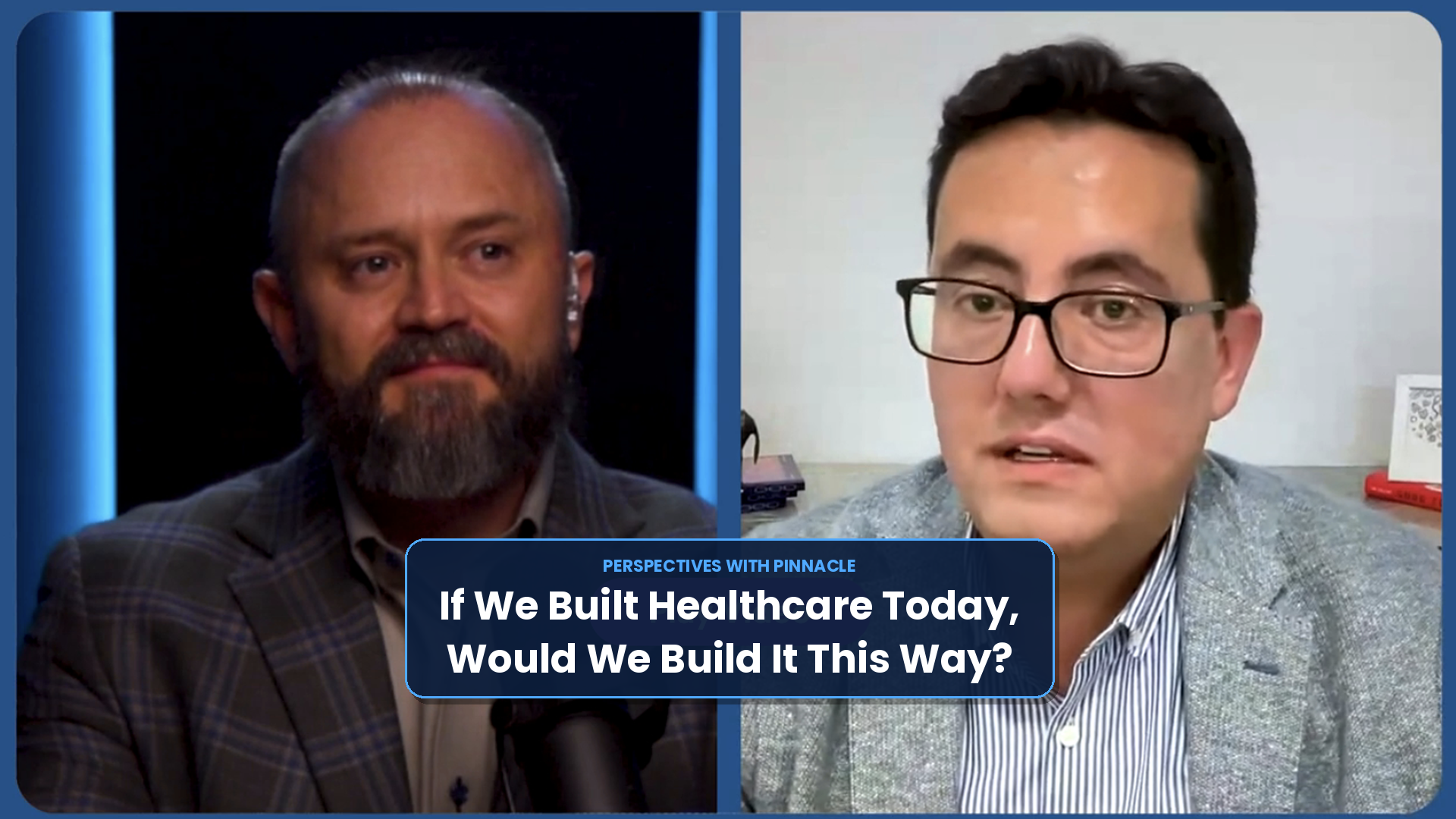
Are we truly transforming healthcare, or simply finding new ways to operate within the same outdated structures? Reflections from my conversation with John P. Carter on Perspectives with Pinnacle.
Most of the conversation about AI in breast cancer is about reading scans better. In the Gulf, the bigger problem comes earlier: too many women are never scanned at all, or are scanned with a tool that was not designed for them.
What happens when an AI model works perfectly and almost nobody uses it? For hospital leaders, adoption, not accuracy, is the real test of clinical AI.
Today's fertility patient arrives with eighteen months of wearable data, a personalised egg-yield estimate and an AI summary of her own bloodwork. The question is whether the clinic has moved as far as she has.
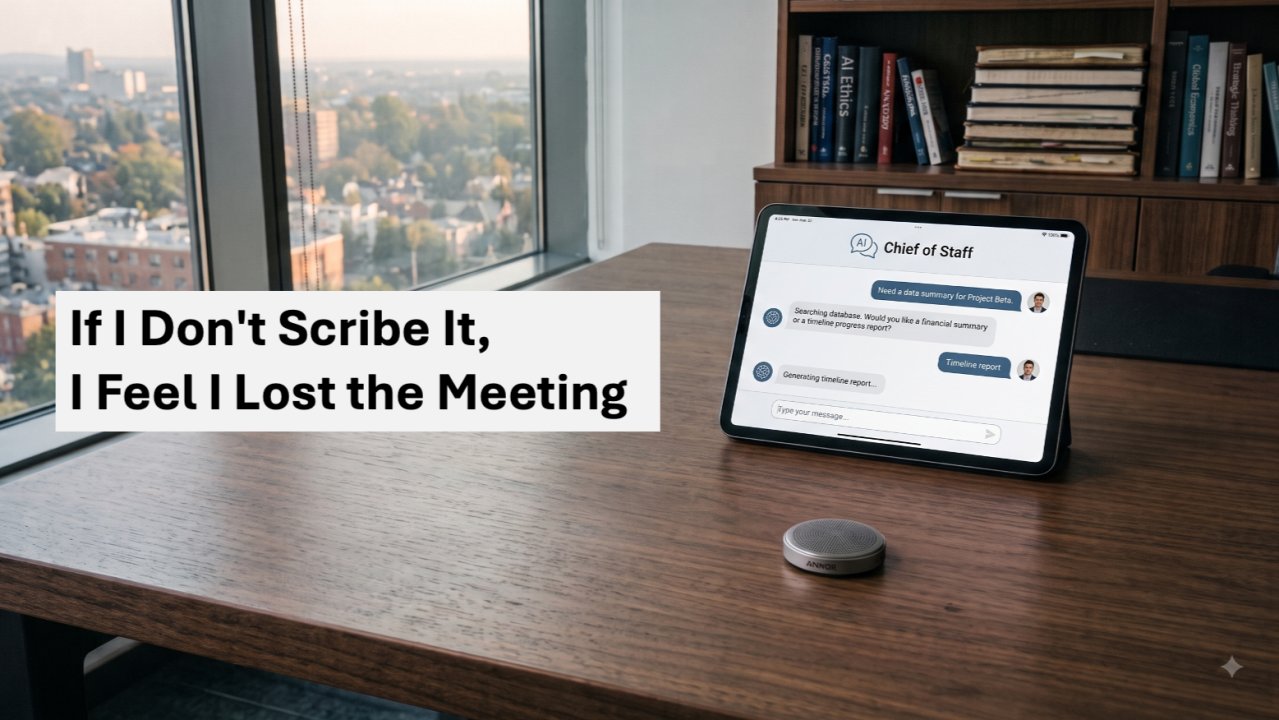
Twenty years of notebooks taught me the discipline. AI has finally given that record a way to work for me. If a meeting matters enough to hold, it matters enough to keep.
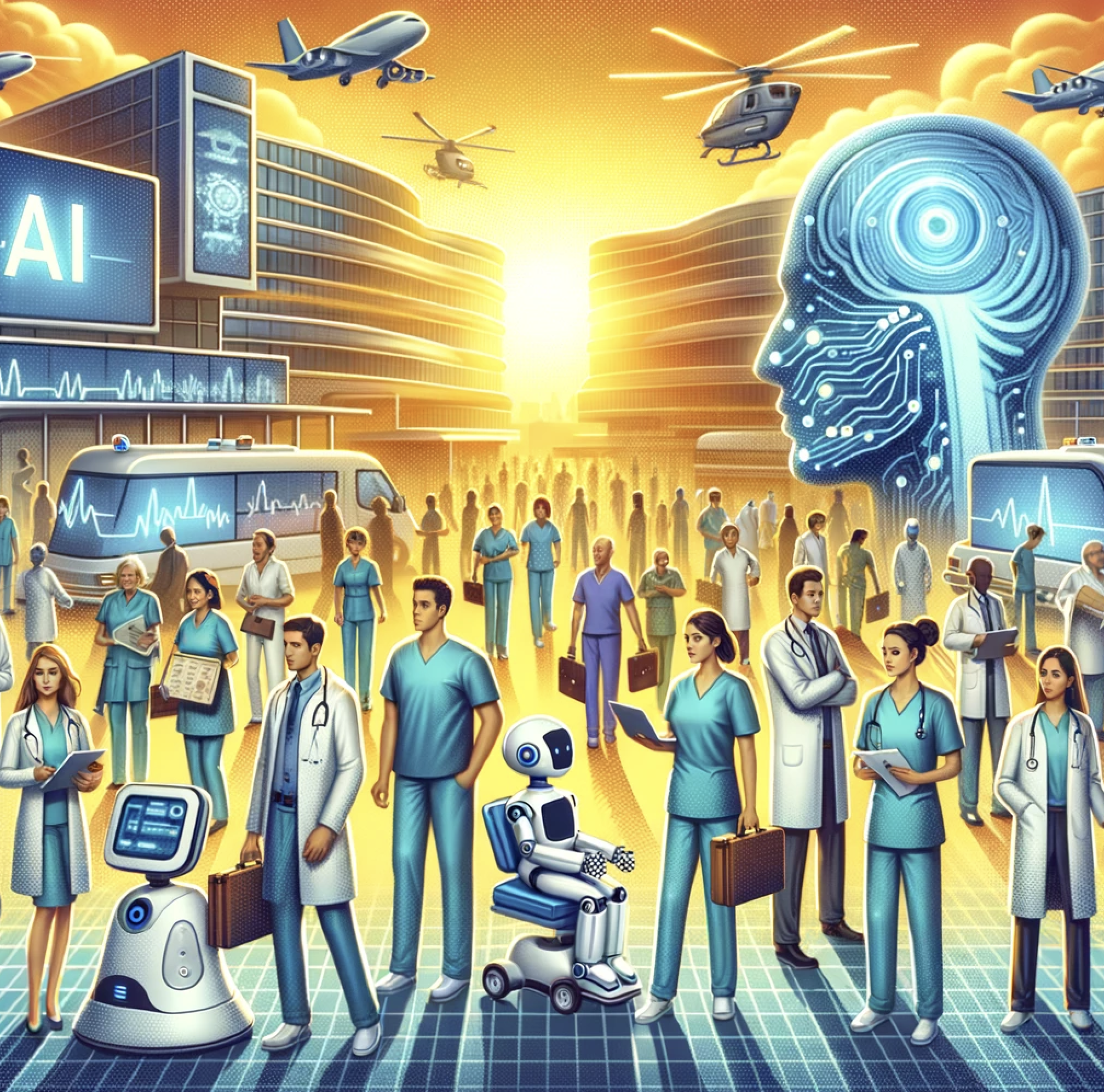
AI will not replace hospital employees. It will replace outdated thinking about what healthcare leadership means. The real question is how we put the human being at the centre of every AI decision.
We cannot fix healthcare without fixing the physician experience first. And physicians will not feel heard while decisions about their work, their pay and their tools are made without them.
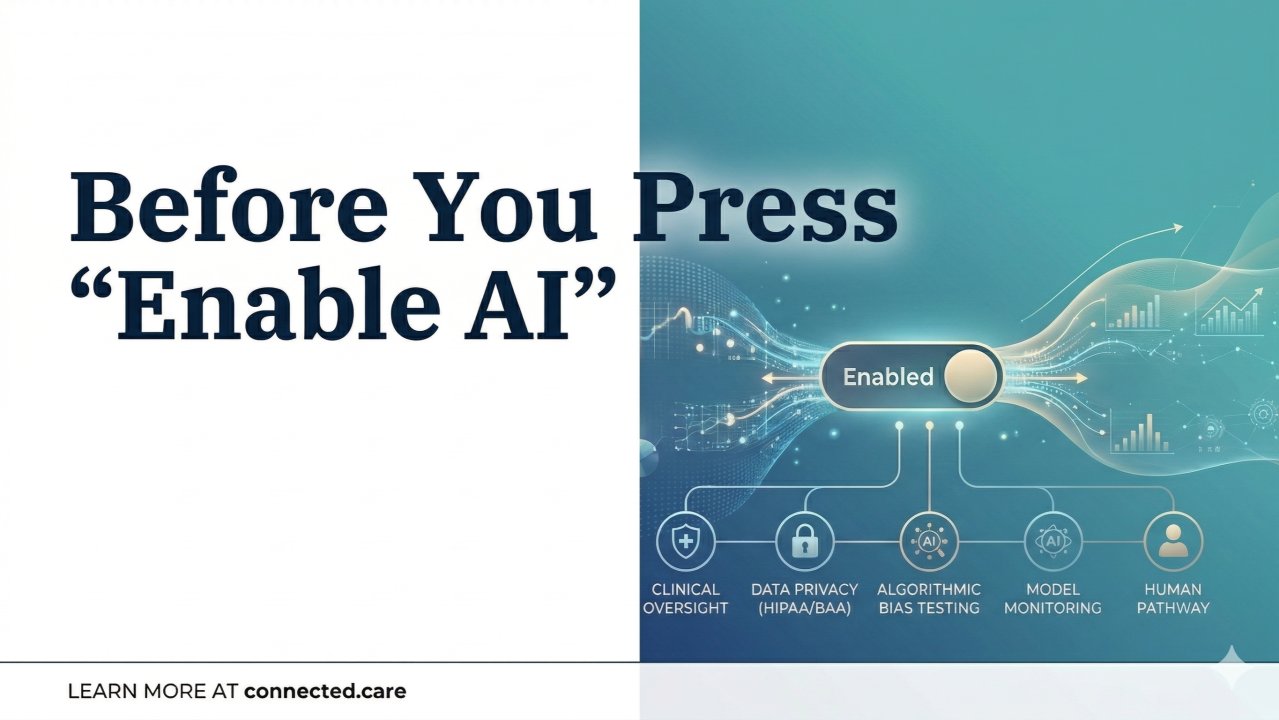
AI is not the threat. Ungoverned AI is. In 2026 the question has moved from "should we adopt AI?" to "how do we govern it?", and that is exactly the right question.
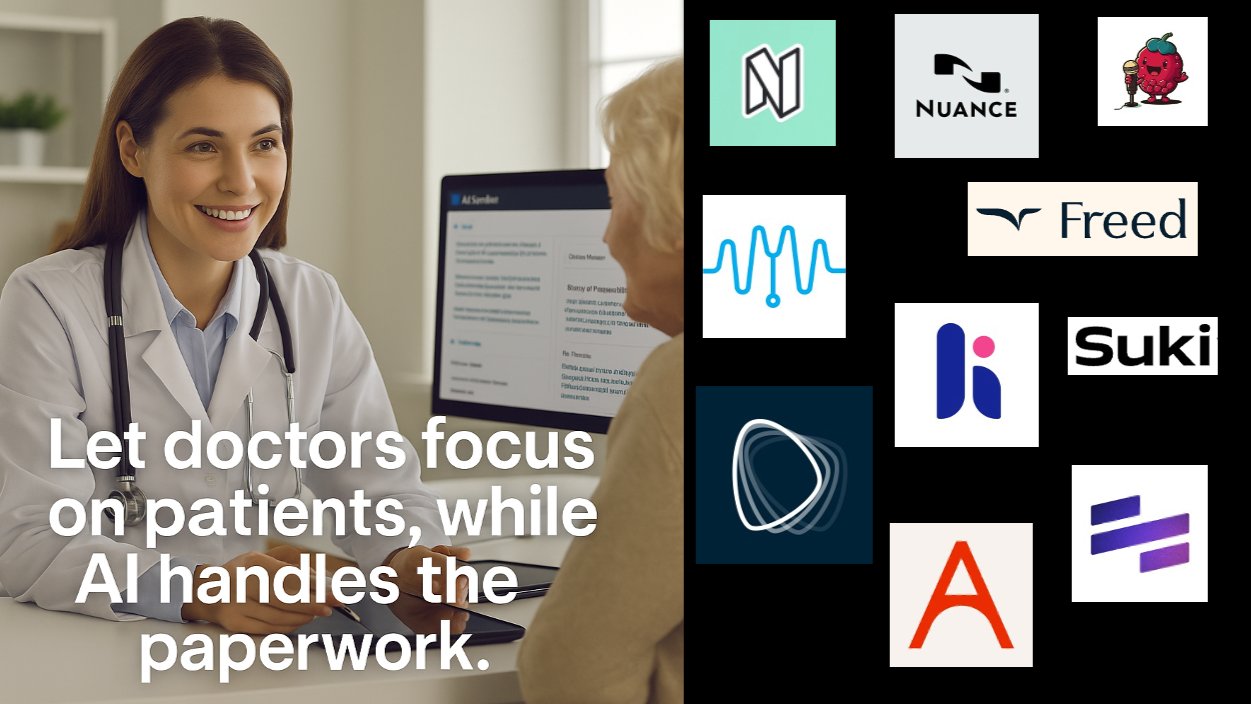
Let doctors focus on patients while AI handles the paperwork. AI scribes are no longer a futuristic novelty; they are a strategic decision every hospital leadership team now has to make well.
AI is not here to replace doctors, nurses or laboratory scientists. It is here to amplify their expertise, reduce their burden and let them focus on healing patients. How we design and implement it decides whether that happens.
Mustafa Suleyman's The Coming Wave asks how humanity can keep control of technologies more powerful than any before. For hospital leaders, that question is already practical.
AI's potential in hospitals is no longer in doubt. The hard part is putting it into daily practice safely, and that starts with governance, not with a pilot.