Creating a Just Culture in Healthcare: A Conversation with Dr Simon Fleming
Bullying, harassment and incivility in healthcare are not isolated incidents. They are systemic, and they harm patients as well as staff. A just culture is built by changing long-standing power dynamics, not by publishing new rules.
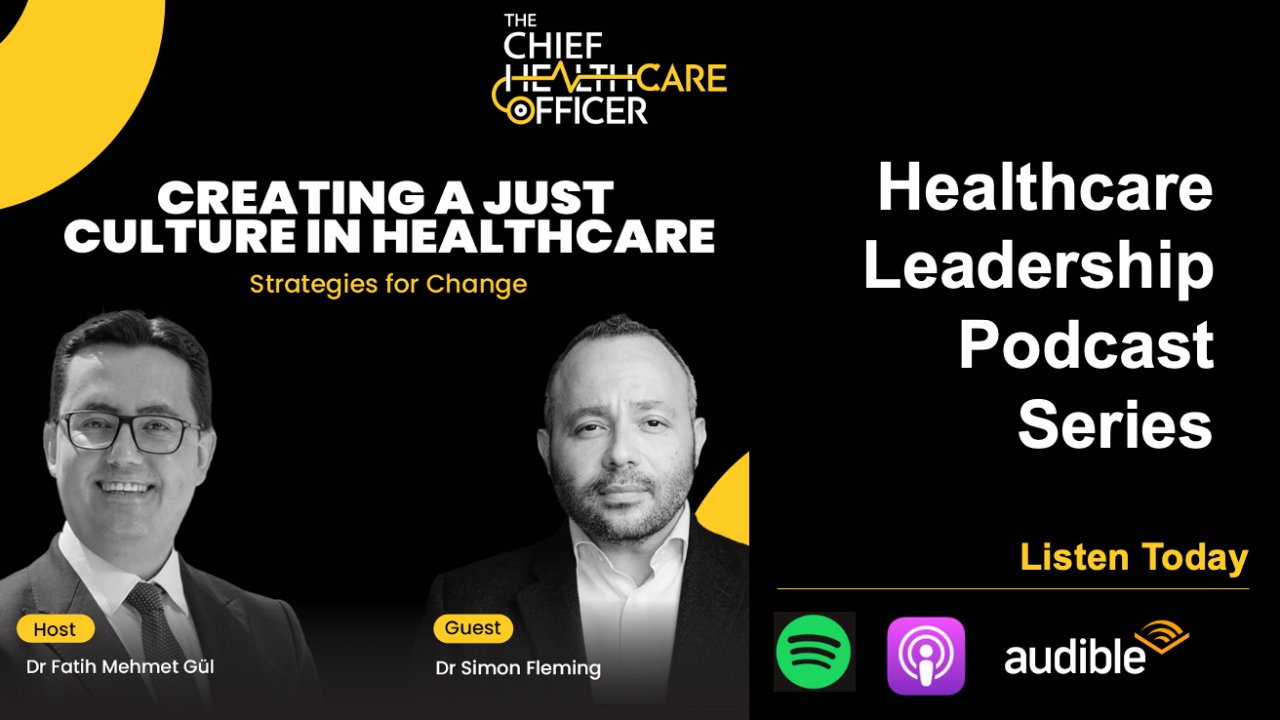
On The Chief Healthcare Officer podcast I spoke with Dr Simon Fleming, orthopaedic surgeon and international advocate for cultural change in healthcare. His message: if we want to deliver the best patient care, we have to look hard at how we treat our colleagues.
Toxic culture is a patient safety issue
Clinicians who are belittled stop speaking up. Teams that fear their seniors hide mistakes. The moral injury of working in a hostile environment drives good people out of the profession. These problems are not confined to one specialty or country; they appear in health systems worldwide, which means they need a collective response.
Hierarchy is the root cause
Traditional healthcare is built on steep hierarchies. Hierarchy has its place in a crisis, but when it becomes a licence for poor behaviour it blocks the open communication that safety depends on.
The Vanderbilt model
Dr Fleming points to the Vanderbilt approach to professional accountability. It starts with an informal, respectful conversation with the colleague whose behaviour has been reported, and escalates only if the pattern continues. Most people change after the first conversation. The model reduces repeat behaviour, protects those who report, and makes accountability routine rather than dramatic.
Leaders set the standard
Culture changes from the top. Leaders must not only sponsor just culture initiatives but model openness, accountability and compassion in their own daily behaviour. When the most senior people listen and own their mistakes, others feel safe to speak.
Education at every level
Training must reach everyone, from interns to executives, and continue over time. Awareness alone will not overcome resistance; people need to see how a just culture benefits them and their patients.
Questions for boards and leadership teams
- How many reports of disrespectful behaviour did we receive last year, and is a low number reassuring or a warning?
- Do we have a graduated, fair process for addressing poor behaviour, including by senior clinicians?
- Would a junior nurse feel safe challenging a consultant during a procedure?
- How do our executives model the behaviour we expect?
If we want to deliver the best patient care, we need to take a hard look at how we treat our colleagues.
Listen to the full episode at chiefhealthcareofficer.com.
First published in The Chief Healthcare Officer newsletter on LinkedIn.
Related reading: A culture of recognition saves lives · Physician burnout is a transparency crisis
Dr Fatih Mehmet Gul is a physician and healthcare executive who has built, commissioned and led hospitals across the Gulf and Türkiye. He is an Honorary Professor at UCL Global Business School for Health, author of Connected Care, and host of The Chief Healthcare Officer podcast.
More insights →