Physician Burnout Is Not a Wellness Issue. It Is a Transparency Crisis.
We cannot fix healthcare without fixing the physician experience first. And physicians will not feel heard while decisions about their work, their pay and their tools are made without them.
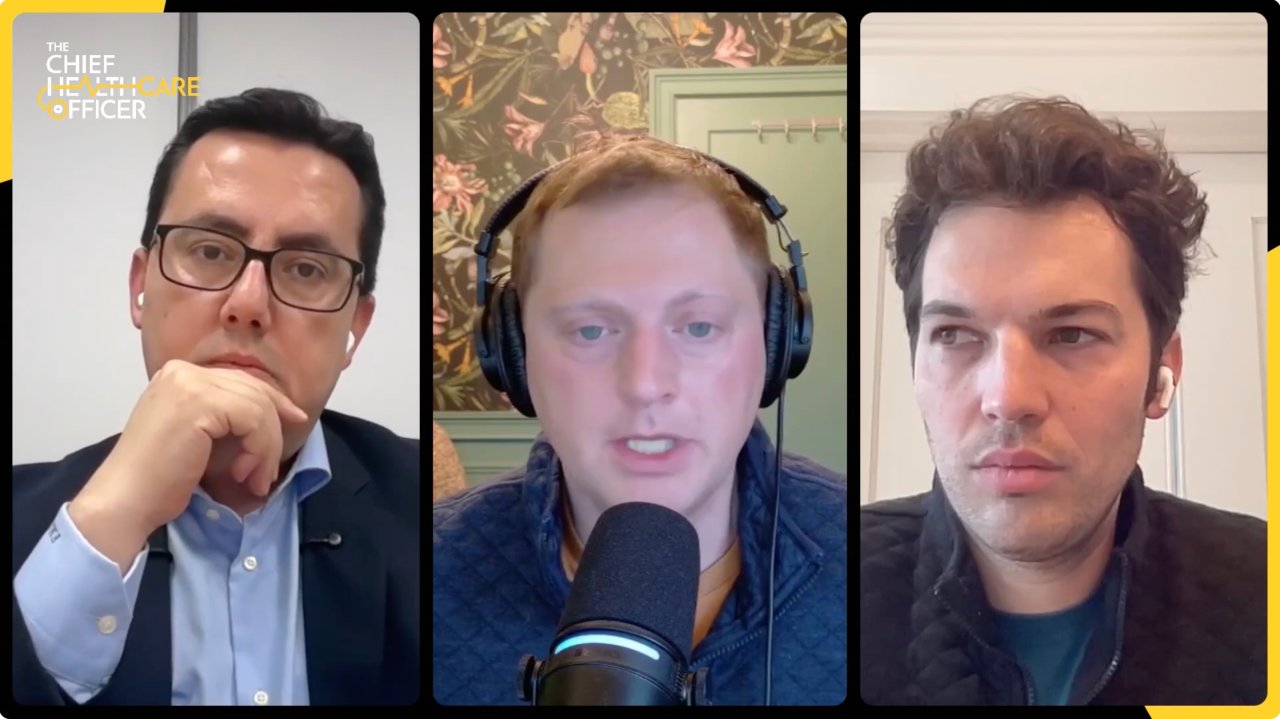
On The Chief Healthcare Officer podcast I spoke with Dr Graham Walker and Jake Horowitz, co-founders of Offcall. Their argument is simple and uncomfortable: physician burnout is not a wellness issue. It is a transparency crisis.
The EMR mistake is happening again
Their figures are striking: around two-thirds of physicians now use AI every day, yet most are dissatisfied with how their organisation is deploying it. Not because AI is bad, but because physicians have no seat at the table. Twenty years ago we rolled out electronic medical records without asking doctors what they needed. We are about to do the same with AI, and it could burn out a generation of physicians.
Physicians cannot see whether their deal is fair
Offcall interviewed hundreds of doctors. The pattern was clear: little transparency about compensation, workload and resources, and a steady erosion of autonomy. Most physicians do not know whether their contract is fair. This is not about making doctors rich. It is about restoring clarity, control and wellbeing so they can practise medicine.
Other industries are ahead
I once met the chief executive of an offshore oil and gas company who showed me the daily check-in app his workers use: every morning they are asked how they feel and what is making their day difficult. Wellbeing monitoring is built into operations. In healthcare we still run annual surveys that physicians are too busy to answer.
What leaders should do
- Show up and listen, including town halls at 11:30 p.m. for the night shift.
- Build tools for physicians, not at them. Involve clinicians in AI selection and design from the start.
- Pay fairly and transparently.
- Treat physician engagement as foundational, not as a nice-to-have.
Managing hospitals with more than 1,000 physicians across several sites, I have seen this crisis play out. We ask physicians to work longer, carry more administration and adapt to new technology, and then wonder why engagement falls. If your physicians do not feel heard, the risk is not only burnout. It is patient care, quality, retention, everything.
Questions for boards and leadership teams
- Were practising physicians involved in choosing each AI tool we have deployed?
- Could any of our physicians explain how their pay and workload compare with their peers?
- How often do we ask clinicians how their day is going, and what do we do with the answer?
- When did an executive last meet the night shift?
We are not robots. Physicians want to feel listened to, and to have a say in how they care for their patients.
First published in The Chief Healthcare Officer newsletter on LinkedIn.
Related reading: Healthcare workforce wellbeing · Will AI replace hospital employees?
Dr Fatih Mehmet Gul is a physician and healthcare executive who has built, commissioned and led hospitals across the Gulf and Türkiye. He is an Honorary Professor at UCL Global Business School for Health, author of Connected Care, and host of The Chief Healthcare Officer podcast.
More insights →