Leading Multicultural Hospital Teams Fairly
In a Gulf hospital, the team caring for one patient may come from ten countries. Diversity is a strength only if expectations are clear, evaluation is fair, and every person feels part of the same hospital family.
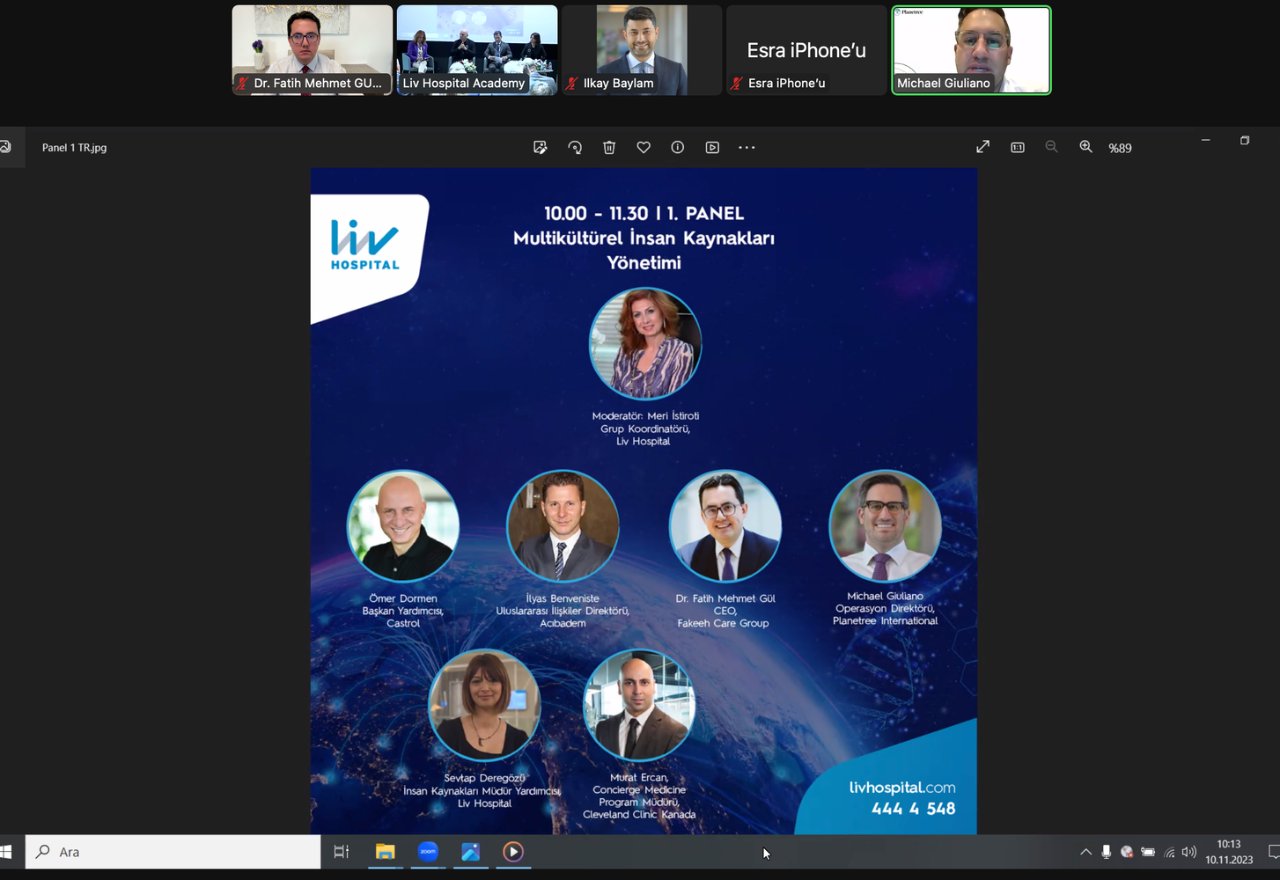
At the Multicultural Healthcare Services Conference I joined a panel on how to evaluate and improve the performance of diverse teams. I shared the approach we took at Dr Soliman Fakeeh Hospital Jeddah.
One standard, understood by everyone
Fairness starts with clarity. We built a single performance platform, with policies written in English and in Arabic, so expectations were transparent from the first day. Every new hire was oriented to the same guidelines. Respecting cultural differences does not mean lowering or varying the standard. It means making sure everyone understands the standard in the same way, and is judged against it equally.
Inclusion as a response to the talent shortage
Healthcare faces a global shortage of skilled staff. Hospitals that make people from every background feel they belong keep them longer and get more from them. That takes deliberate effort:
- Cultural sensitivity training for all staff, so that differences in communication style are understood rather than misread.
- Team-building that builds trust across nationalities and professions.
- Open channels where every voice is heard and suggestions are taken seriously, whatever the speaker's seniority or origin.
Leaders set the example
Inclusion cannot be delegated to human resources. Staff watch how leaders treat colleagues from different backgrounds, whose ideas they credit and whom they promote. When leaders model respect and consistency, the culture follows.
Why it matters for patients
Patients in the Gulf are as diverse as the staff who treat them. A team that communicates well across cultures communicates better with patients and families, and that shows up in safety, experience and trust.
Questions for boards and leadership teams
- Are our performance expectations written and explained so that every nationality understands them the same way?
- Do promotion and retention rates differ by nationality, and do we know why?
- Do our managers know how to lead across cultures, or are we assuming they do?
- How do our patients experience the cultural mix of our teams?
Diversity becomes an asset when everyone is held to one clear standard and everyone feels they belong.
First published in The Chief Healthcare Officer newsletter on LinkedIn.
Related reading: The Culture Map · A culture of recognition saves lives
Dr Fatih Mehmet Gul is a physician and healthcare executive who has built, commissioned and led hospitals across the Gulf and Türkiye. He is an Honorary Professor at UCL Global Business School for Health, author of Connected Care, and host of The Chief Healthcare Officer podcast.
More insights →