Building Resilient Healthcare Workplaces: A Conversation with the FT's Isabel Berwick
Healthcare is demanding, but it does not have to be draining. Resilient workplaces are built by leaders: through open communication, psychological safety and the example they set with their own hours.
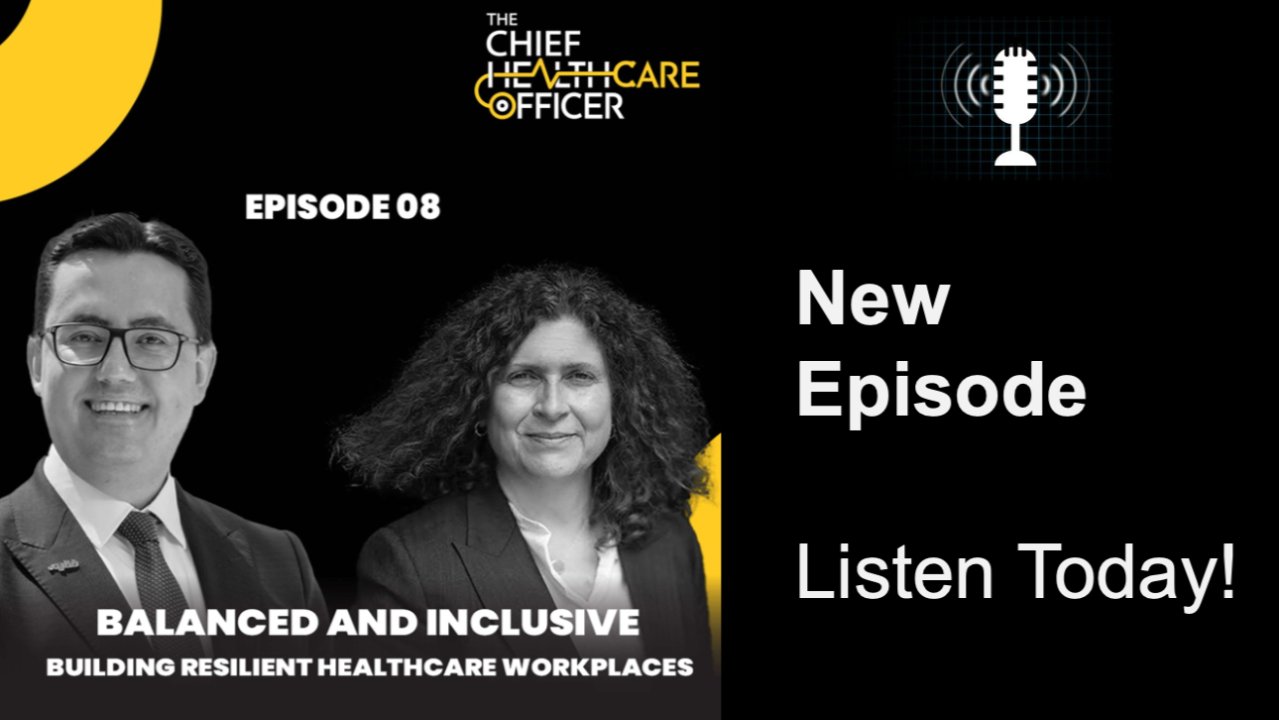
On The Chief Healthcare Officer podcast I spoke with Isabel Berwick, workplace journalist and host of the Financial Times' Working It podcast, about what it takes to build a healthcare workplace where people thrive rather than merely survive.
Resilience is organisational, not only personal
Healthcare lives with constant change: new policies, new technology, sudden crises. Individuals can learn to see uncertainty as opportunity rather than threat. But resilience is also something the organisation builds. Teams that talk openly and support one another handle challenges better and feel less stress. Leaders create that environment by making staff feel valued and heard.
Spot burnout early
Clinicians feel pressure to push through exhaustion. A resilient workplace offers support before people break, and that depends on psychological safety: team members must be able to raise concerns without fear of backlash.
Leaders must model the boundaries
If senior executives work around the clock, staff feel an unspoken pressure to do the same. Structured breaks, walking meetings and regular wellbeing check-ins are small changes, but they only stick when leaders practise them visibly. Many businesses outside healthcare have adopted policies for sustainable productivity; hospitals can and should do the same.
Inclusion keeps people
Healthcare is one of the most diverse workforces anywhere. Leaders need to understand cultural differences in communication and expectations, and create a sense of belonging through simple things: informal gatherings, celebrating cultural occasions, listening. People who feel included are more engaged and more likely to stay.
Reverse mentoring
Mentorship has long guided clinicians through their careers. Reverse mentoring, where younger professionals teach senior leaders, stood out as a powerful way to bring in new ideas and adaptability. Curiosity sustains a long career, and leaders willing to learn from younger colleagues are usually the ones who take their organisations into the future.
Questions for boards and leadership teams
- Do our executives model sustainable working hours, or reward the opposite?
- How early do we detect burnout, and what support follows?
- Can staff raise concerns without fear, and how do we know?
- Does any senior leader in our organisation have a reverse mentor?
Resilient workplaces are built through intentional leadership, open communication and a culture that puts wellbeing first.
Listen to the full episode at chiefhealthcareofficer.com.
First published in The Chief Healthcare Officer newsletter on LinkedIn.
Related reading: Healthcare workforce wellbeing · Physician burnout is a transparency crisis
Dr Fatih Mehmet Gul is a physician and healthcare executive who has built, commissioned and led hospitals across the Gulf and Türkiye. He is an Honorary Professor at UCL Global Business School for Health, author of Connected Care, and host of The Chief Healthcare Officer podcast.
More insights →