From Insights to Impact: How Clinical AI Can Amplify the Human Touch
AI in hospitals is moving from administrative efficiency into clinical impact, in neurology, sepsis and cardiology. Its value depends on whether it directs human attention to the right patient at the right time.
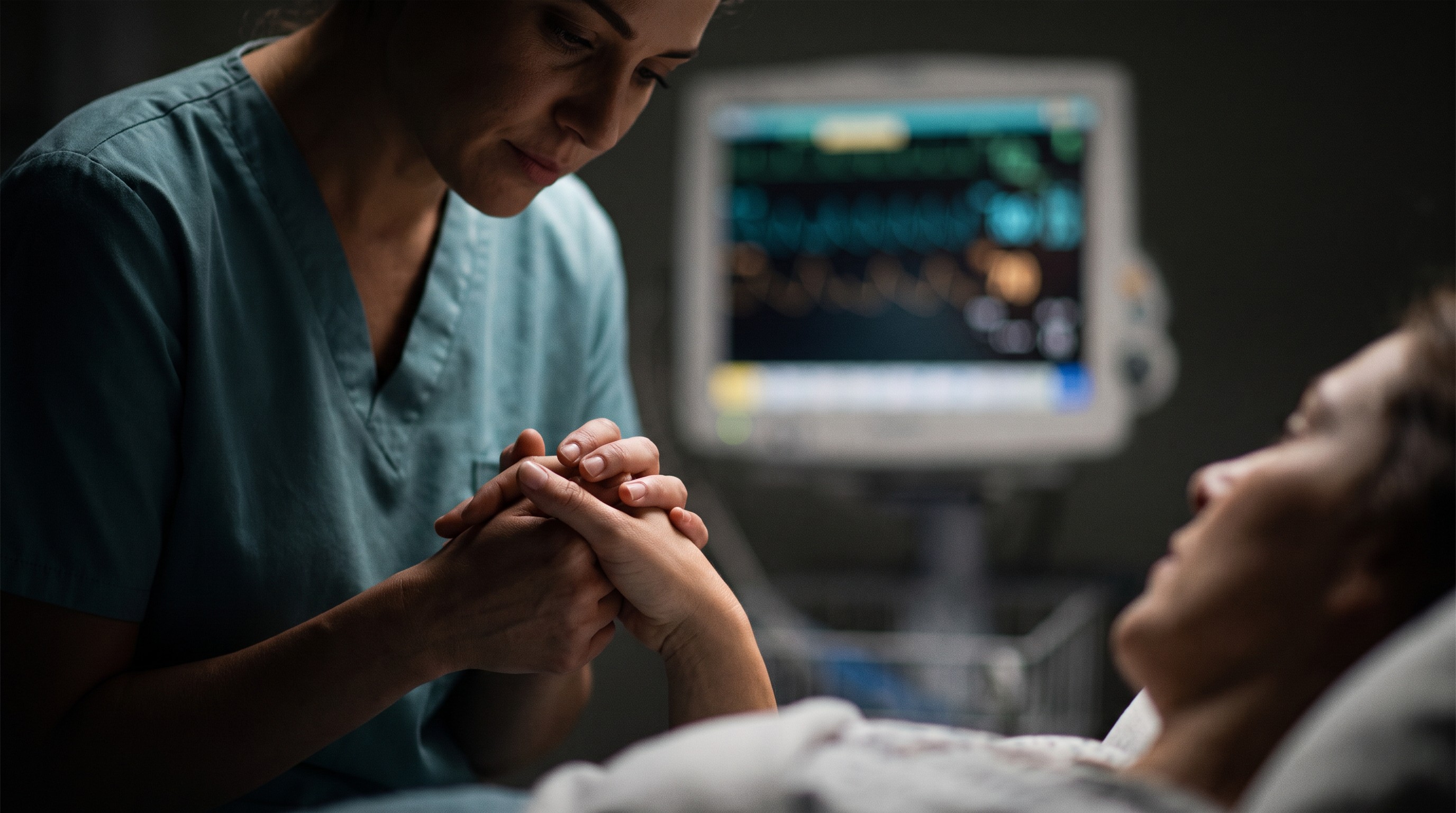
Artificial intelligence in hospitals is no longer an abstraction. It is starting to move from administrative efficiency into direct patient impact, and the best examples share one feature: they help clinicians decide where human attention should go first.
Joyce Famakinwa's reporting in Modern Healthcare describes three clinical areas where this is happening: neurology, sepsis and cardiology. Her piece is worth reading in full. Here is how I see these examples through the lens of Connected Care: technology that strengthens the clinical relationship and makes care more proactive.
Prioritising attention with predictive intelligence
Researchers at Mass General Brigham and Cleveland Clinic are using AI to read clinical notes and EHR data to identify patients at risk of cognitive decline and other neurological conditions. These tools do not replace clinical expertise. They turn scattered signals, a phrase in a note, a subtle trend, into a prompt for a clinician to look more closely.
The same idea is spreading. In imaging, AI acts as a second pair of eyes for lung nodules and other findings. Lung-nodule programmes use it to organise long-term follow-up. And wearables and home diagnostics are beginning to capture continuous data between visits.
Sepsis: where timing is treatment
Duke University's Sepsis Watch uses real-time EHR and monitoring data to alert teams to patients at risk of deterioration. Sepsis is perhaps the clearest example of AI helping clinicians overcome fragmented information and time pressure. In connected systems, timing is therapeutic: the earlier the team acts, the more it can change the outcome.
Cardiology: proactive, not reactive
In cardiac intensive care, predictive models that track subtle changes in a patient's condition have helped teams reduce cardiac arrests. Outside the ICU, models that analyse ECGs, sometimes from wearable devices, are being used to find rhythm and structural problems before symptoms appear. Influence care early, and you influence outcomes.
The wider footprint
Beyond these three areas, clinical AI is already used for faster image reading in stroke and pneumonia, ambient documentation, risk models for deterioration and readmission, and decision support that tailors treatment to the individual patient.
Across all of them, one lesson repeats. Technology is transformative only when it fits into clinical workflows in a way clinicians trust and use. That requires governance, local validation and a clear position that AI is a partner in clinical reasoning, not a replacement for it. I have seen accurate tools fail because nobody owned them, which is why adoption matters as much as accuracy.
Where healing and technology meet
The AI-enabled hospital will not be defined by screens and algorithms. It will be defined by relationships: between clinician and patient, between data and insight, and between early warning and timely action. Data becomes valuable when it carries human intention. Only then do we move from reactive medicine to anticipatory care.
Questions for boards and leadership teams
- Which clinical AI tools are live in our hospital, and who is clinically accountable for each?
- Have we validated them on our own patient population?
- When an alert fires, is it clear who acts and how fast?
- Are we measuring outcomes, such as deterioration caught early, or only the number of alerts?
Clinical AI is valuable when it sends human attention to the right patient at the right time.
Source: Joyce Famakinwa, "The clinical areas where hospitals are using AI", Modern Healthcare, 11 February 2026. The commentary is my own.
First published in the Connected Care newsletter on LinkedIn.
Continue reading
- Why Accurate AI Fails in Hospitals, and How Mayo Clinic Made It Work. What happens when an AI model works perfectly and almost nobody uses it? For hospital leaders, adoption, not accuracy, is the real test of clinical AI.
- AI in Diagnostics: Notes from Abbott's AI in Healthcare Advisory Board. AI is not here to replace doctors, nurses or laboratory scientists.
- AI Should Replace Waiting, Not Doctors: Breast Screening in the Gulf. Most of the conversation about AI in breast cancer is about reading scans better.
Topics: #AIinHealthcare · #ConnectedCare · #PatientExperience
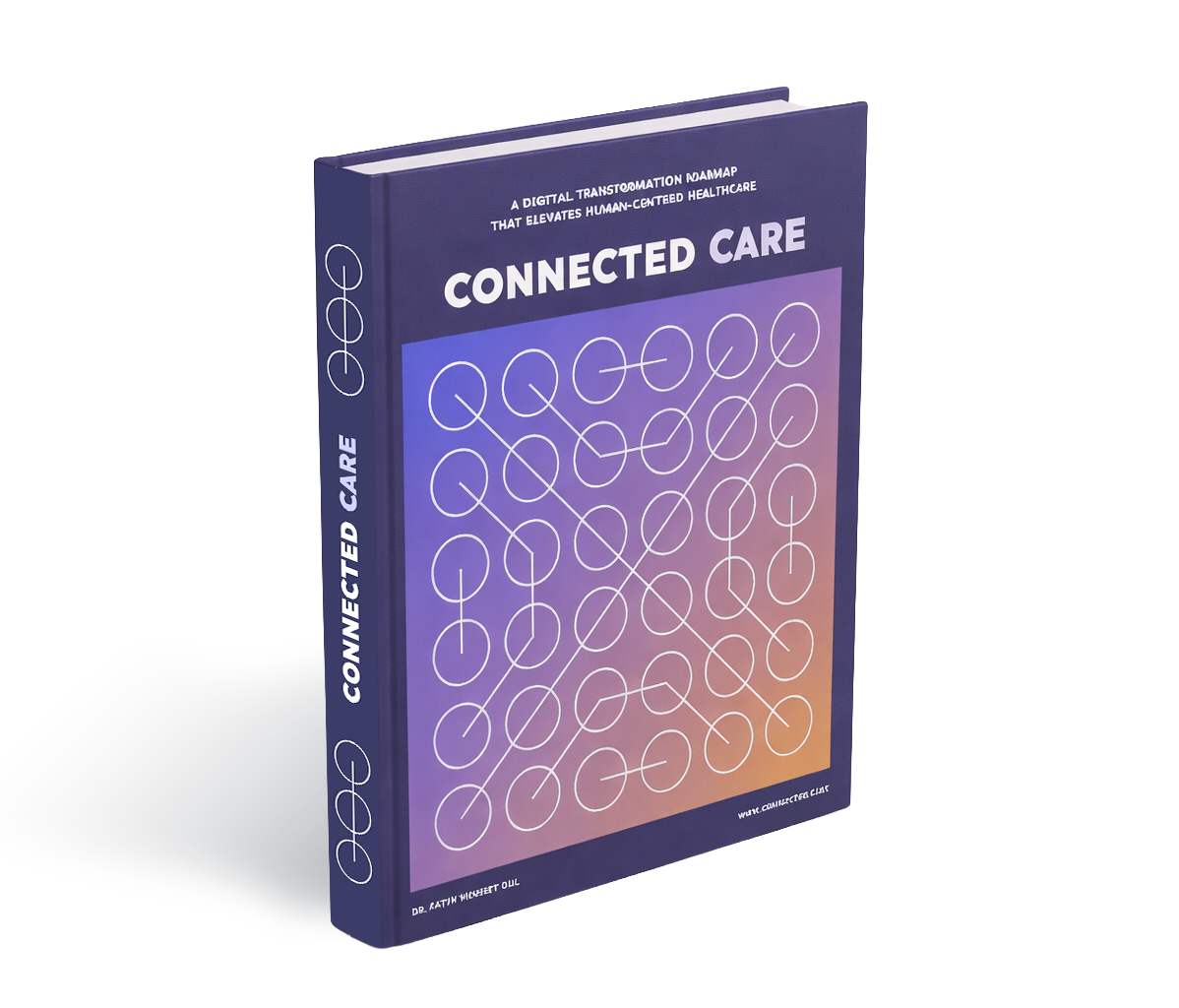
Enjoyed this article? There is more in Connected Care.
Many of the ideas here began in my book on healthcare leadership and digital transformation.
Dr Fatih Mehmet Gul is a physician and healthcare executive who has built, commissioned and led hospitals across the Gulf and Türkiye. He is an Honorary Professor at UCL Global Business School for Health, author of Connected Care, and host of The Chief Healthcare Officer podcast.
More insights →