Inside the Orbis Flying Eye Hospital: Medicine, Aviation and Volunteering
A tour of the Orbis Flying Eye Hospital, an aircraft converted into an eye hospital and training centre, and the lessons it holds for every hospital on the ground.
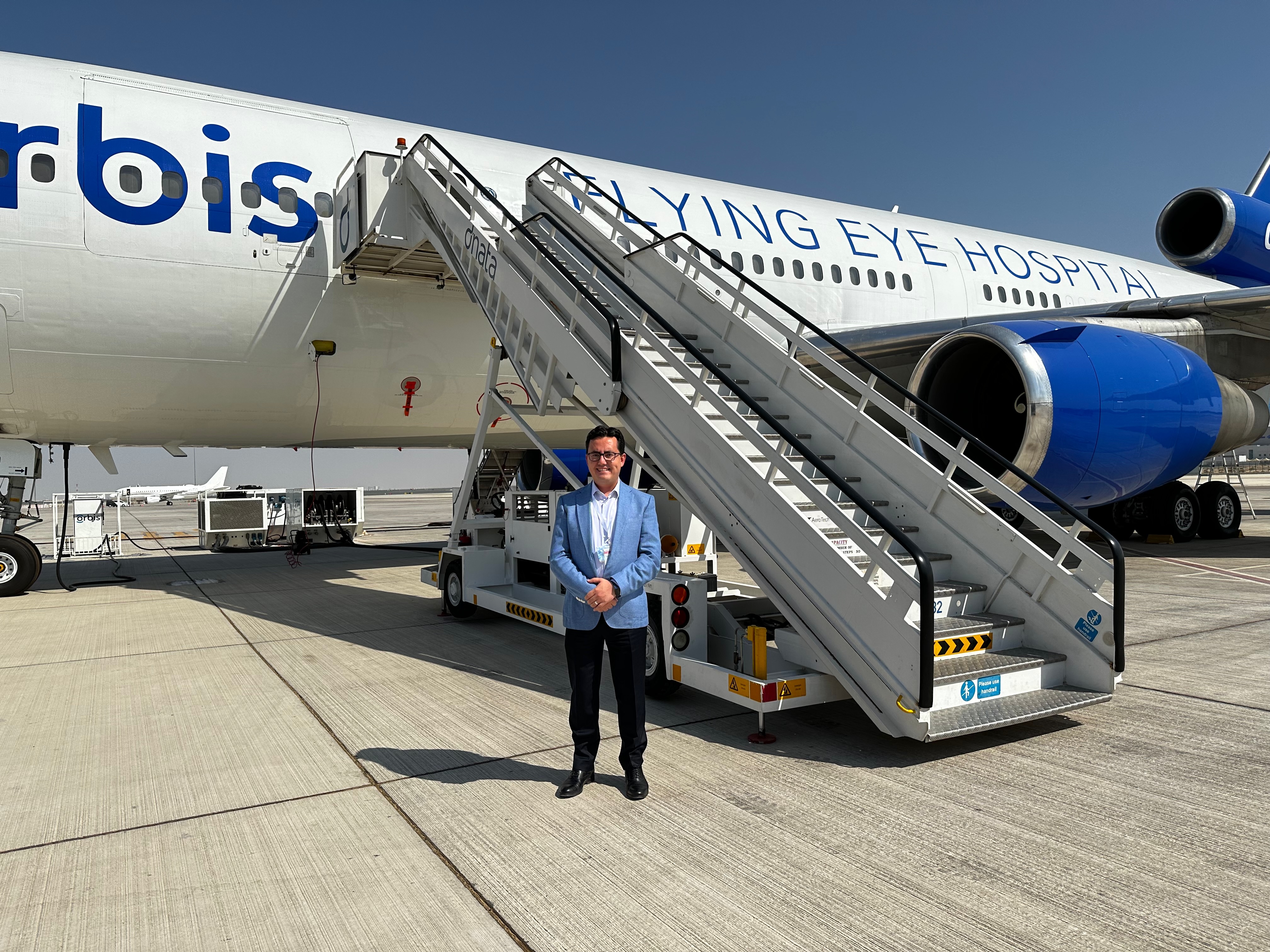
Few things bring together my three passions, medicine, aviation and volunteering, as neatly as the Orbis Flying Eye Hospital. When the Orbis team invited me for a tour, I accepted immediately. It was a remarkable learning experience and a reminder of what people can achieve when they work together for a good cause.
Why it matters
According to Orbis, around 338 million people worldwide were living with blindness or moderate to severe visual impairment at the time, and around three-quarters of those cases could have been prevented or treated. Cataract, refractive error, diabetic eye disease, glaucoma and trachoma are among the causes. For many people, a simple operation or a pair of glasses would change their life. Eliminating avoidable blindness is one of the most effective ways to fight poverty.
A hospital with wings
Orbis has converted an MD-10 cargo aircraft into a fully working eye hospital. Walking through the patient areas, it is hard to believe you are inside an aircraft. The front section keeps its seats, which work as a patient waiting area, a training room and a cabin for the medical team when they fly.
The operating theatre sits in the centre of the aircraft with everything a standard theatre needs. I have seen many VIP and air ambulance aircraft, but an operating theatre in a plane was a genuinely eye-opening experience. There is a laser room, simulation equipment for surgical training and an on-board sterilisation facility supported by local hospitals. The team has a careful routine for securing equipment before each flight and reassembling it afterwards. As in any aircraft, space is the hardest constraint, yet the design is so well thought through that you barely notice it.
Teaching, not only treating
The Flying Eye Hospital is not only about short visits to treat patients. It is a training centre for local medical teams. Procedures are broadcast from the operating theatre to classrooms, and Orbis runs Cybersight, a telemedicine and online training platform that connects specialists around the world. The skills stay in the country long after the aircraft leaves.
The teddy bear that won my heart
The charge nurse walked me through how patients are prepared and sedated, supported by clear policies for complex treatment in an unusual setting. One detail stayed with me. Every child receives a teddy bear with a bandage over its eyes. The bear's bandage comes off the day before the child's, and the child is told the bear has had the operation too. It is a small idea that makes a frightening experience far less stressful for young patients.
Lessons for hospitals on the ground
- Design around the patient journey, even when space is tight.
- Build training into the service model, so knowledge outlasts any single visit.
- Use technology to extend expertise, through live broadcast and telemedicine.
- Small human touches matter, especially for children and their families.
Questions for boards and leadership teams
- Where in our hospital could a small, thoughtful idea like the teddy bear reduce patient anxiety?
- Do our partnerships leave lasting skills behind, or only completed procedures?
- How could telemedicine extend our specialists' reach to people who cannot come to us?
When the teams behind such initiatives work together, humankind can accomplish great things.
My thanks to the Orbis team and the volunteers, partners and supporters who make this work possible. I came away with several ideas for our own hospital operations.
First published on LinkedIn.
Continue reading
- Hospitality in Hospitals Is a Clinical Decision. Comfort, control and dignity in the hospital room are not luxuries added after the clinical work is done.
- International Patients Need More Than Treatment. Patients who travel for care judge a hospital on far more than the treatment.
- Healthcare for 1.8 Million Pilgrims: Lessons from the Hajj. The Hajj is one of the world's great logistical and public health operations.
Topics: #PatientExperience · #HospitalLeadership
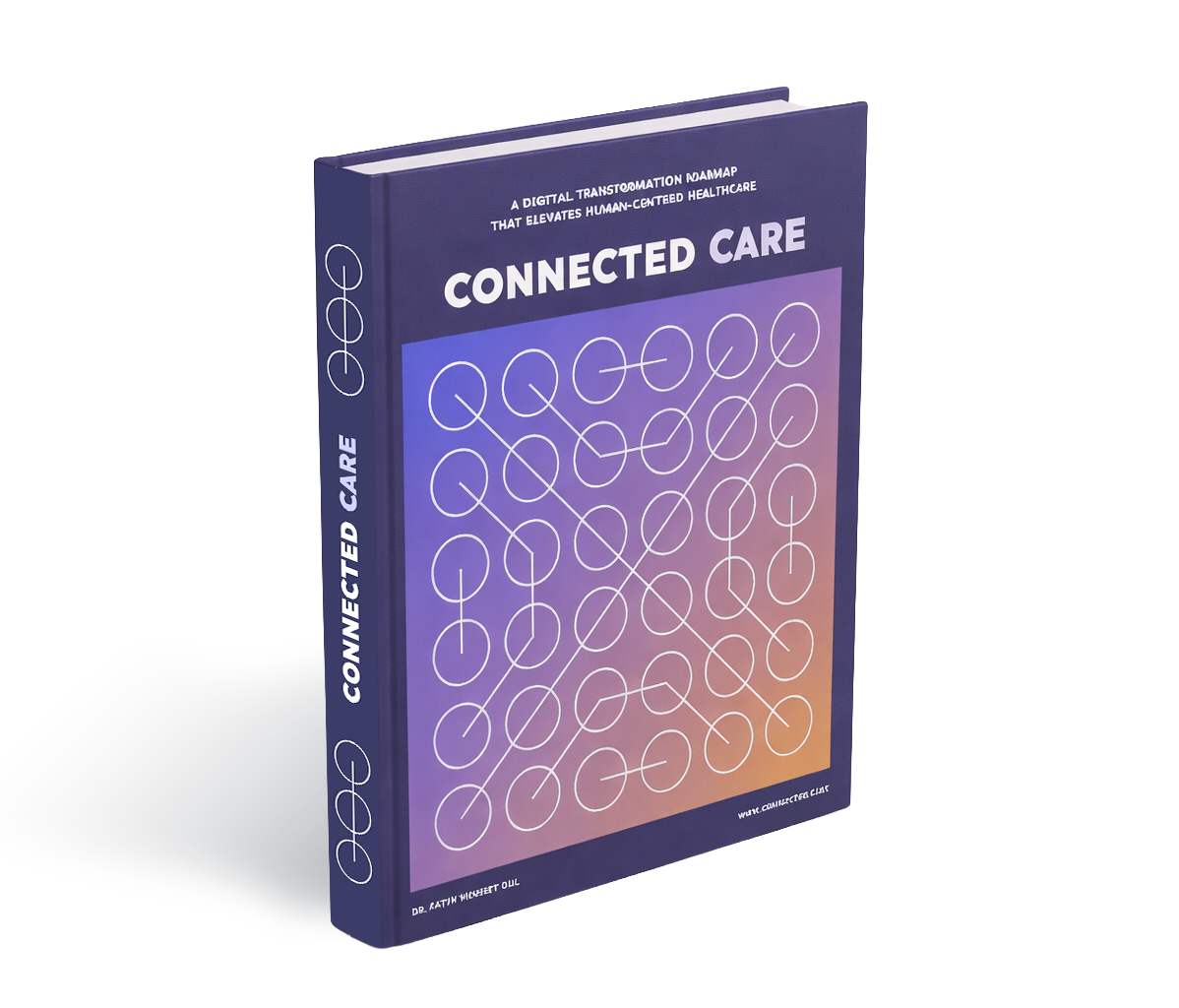
Enjoyed this article? There is more in Connected Care.
Many of the ideas here began in my book on healthcare leadership and digital transformation.
Dr Fatih Mehmet Gul is a physician and healthcare executive who has built, commissioned and led hospitals across the Gulf and Türkiye. He is an Honorary Professor at UCL Global Business School for Health, author of Connected Care, and host of The Chief Healthcare Officer podcast.
More insights →