Think Like a Patient: What Gulf Consumers Are Telling Hospitals
Patients in the UAE and Saudi Arabia now ask AI before they ask a doctor, track their health on their wrists and find care through social media. Four shifts every hospital in the Gulf should plan for.
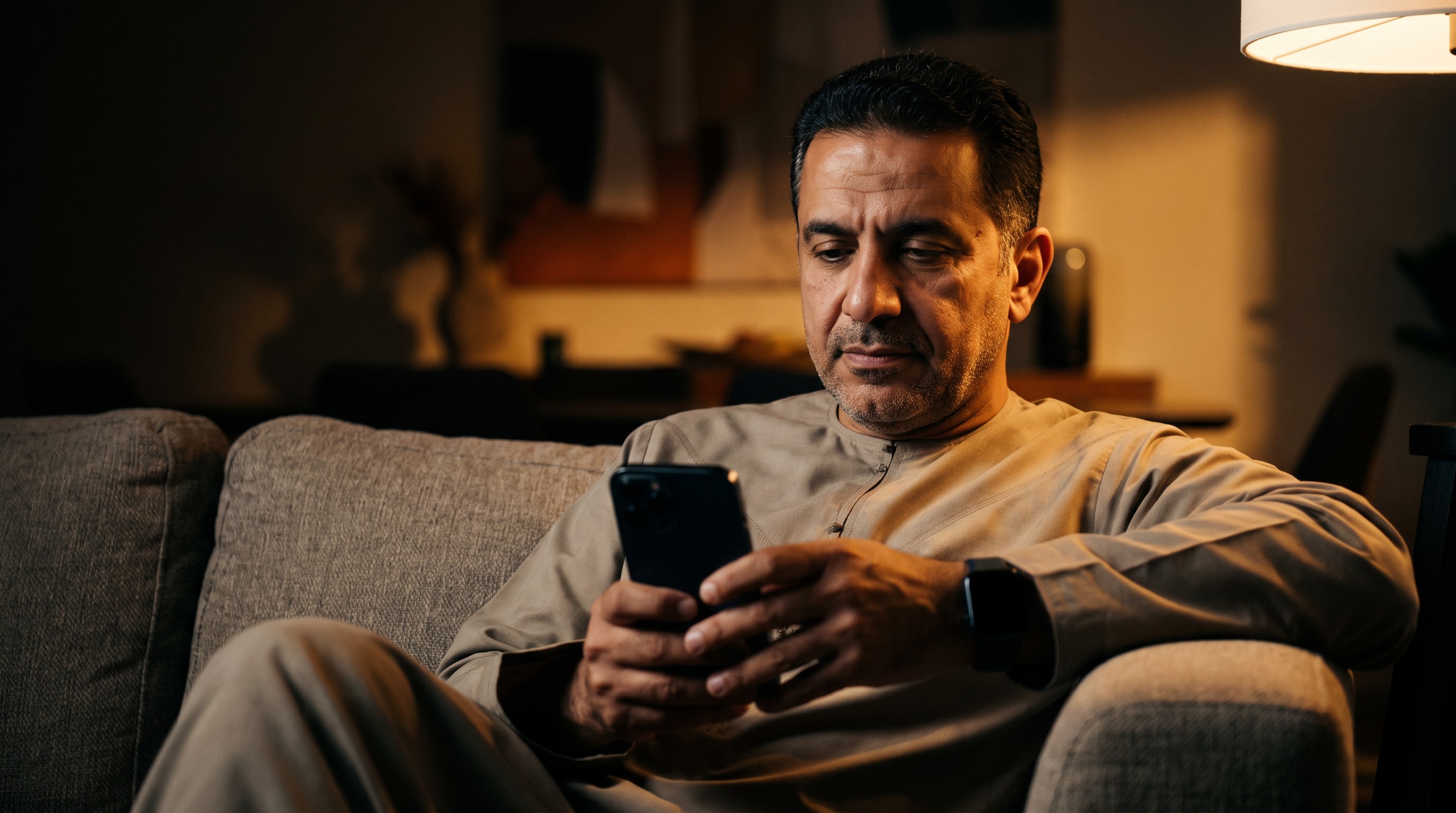
"Think like a patient" is advice I have given to every management team I have worked with. Walk in through the main entrance, not the staff door. Call your own appointment line. Sit where patients sit and wait as long as they wait. You learn more in one hour than from a month of reports.
That advice still holds, but it needs updating. In our region, the patient journey no longer starts at the hospital entrance, or even on the phone line. It starts on a screen, often late in the evening, with a question typed into an AI tool, a reading from a smartwatch or a video from someone the patient follows on social media.
Deloitte's Digital Consumer Trends 2025 report, published on 1 September 2025, surveyed 2,000 people aged 18 to 50 in the UAE and Saudi Arabia and puts numbers on this shift. It is not a healthcare study. But it describes the people who walk into our clinics every day, and what they expect when they arrive.
Four findings stand out for anyone running a hospital or clinic in the Gulf.
1. The first opinion now comes from AI
Fifty-eight percent of respondents have used generative AI tools such as ChatGPT or Gemini, a markedly higher share than in the UK or Europe. Among those users, 55% turn to them weekly or daily, for personal, educational and professional purposes.
The report does not ask about health specifically. It does not need to. Anyone who uses an AI tool every week for personal questions will, sooner or later, ask it about a symptom, a child's fever or a parent's new medication.
So patients use these tools to understand a symptom, a lab result or a diagnosis before they see us, and again after they leave. Many arrive having already had a first consultation of sorts.
A clinician has two choices. The first is to dismiss it: "Don't believe what you read online." That ends the conversation, and the patient stops telling us what they have read. The second is to ask: "What did you find, and what worried you?" Then explain, correct and reassure. Part of the consultation becomes interpretation. That takes time, which is one more reason to use AI to take paperwork off clinicians, so they have that time to give.
One more number deserves attention: 20% of respondents are still unfamiliar with AI. In every waiting room, the patient who has asked three chatbots sits next to one who has never used one. A service designed only for the first will leave the second behind.
2. Patients want to track their health, not only read about it
Ninety-six percent of respondents use a smartphone every day, and 89% plan to buy a new connected device in the next twelve months, with smartphones, smartwatches and laptops the most wanted. Many patients already record their heart rate, sleep and activity every day.
Most of that data goes nowhere. It stays on the phone, or arrives at the clinic as a screenshot nobody has time to read. This is what I call infobesity: plenty of data, very little synthesis. The value of care between visits appears only when the data reaches a clinician who knows the patient and is responsible for acting on it. For people living with a chronic condition, or recovering after surgery, that can mean earlier warnings and fewer unnecessary trips to the hospital. Without a named owner, it is just more noise.
Smart homes, by contrast, are still at an early stage and trail Western markets. For hospitals, that is a practical signal. In the near term, care at home in our region will run through the phone and the watch, not through sensors built into the house. If a service does not work well on a phone, for most patients it does not work at all.
3. Social media is the new waiting room
Seventy-three percent of respondents made at least one purchase through social platforms in the past year, driven largely by influencer recommendations and affiliate links. Fifty-six percent rely on social media for news, against 30% for television and 22% for news websites. And 48% of UAE respondents say they come across false information more often than they did a year ago.
Patients choose doctors, hospitals and treatments partly on what they see from people they follow and trust. Hospitals cannot stay out of that space, but they should enter it to inform, not to sell. Social channels can teach, answer common questions, make booking easier and bring patients with the same condition together. Our own clinicians, with clear guidelines, are often the most trusted voices we have.
The influencer model needs particular care. When a paid endorsement sells a skincare product, the cost of a bad recommendation is money. When it sells a procedure, the cost can be someone's health. Any hospital that works with influencers should be open about the relationship, and every clinical claim should be checked by a clinician before it is posted. If we leave the space empty, or fill it with promotion, misinformation will fill the rest.
4. Trust, privacy and price are now part of the care
Privacy is the main barrier to using AI, especially for people who use it only occasionally: one in four put it at the top of their concerns. Emmanuel Durou, who leads Deloitte's technology, media and telecommunications practice in the Middle East, put the challenge simply: organisations "must strike a balance between innovation and trust."
Health information is the most personal data anyone holds. Patients will judge us on how we protect it and how openly we explain its use, and both the UAE and Saudi Arabia now have personal data protection laws that set the minimum. On price, patients compare costs for almost everything else they buy. A surprise bill breaks trust faster than a long wait. Fair, clear pricing is part of the patient experience, not a finance department detail.
The subscription findings carry a lesson too. More than half of respondents subscribed to a video streaming service in the past year. Of those who cancelled, 21% said they were not using it and 20% said it cost too much. And 47% have been affected by platforms cracking down on shared accounts.
Hospitals are launching wellness memberships, annual check-up packages and health apps. The same rules will apply. People cancel what they do not use and what does not feel worth the price. And families share: a mother manages appointments for her children and her parents, so family access is a basic requirement, not an extra feature.
What this means for hospitals and clinics
Earn trust before you ask for it. Chatbots and virtual assistants can answer questions quickly, but patients will only use them if the answers are accurate and they know when a human takes over. Agree the rules on data and AI before the pilot, and publish them in language patients understand.
Design for real patients, not technology enthusiasts. The grandmother who reads only Arabic. The son booking for both parents. The worker on a basic insurance plan with an old phone. If a digital service does not work for them, it does not work.
Blend in-person, virtual and home care. Each patient should be able to move between them without starting again. The digital front door only matters if it opens onto the same team and the same record.
Work with regulators and technology partners on shared standards. No single hospital can set the rules for AI, data and online health information alone. Our region's regulators are open to this conversation, and providers should be part of it.
None of this is about being more digital. It is about meeting people where they already are, and making sure that when they get to us, the human connection is still there. That is what I mean by Connected Care.
Questions for boards and leadership teams
- When did a member of our leadership team last book an appointment, ask a question online or call our contact centre as a patient would?
- What happens to the health data patients bring from their own devices: who sees it, and who acts on it?
- Have we told patients, in plain language, how we use their data and where we use AI?
- Can a patient find out what their care will cost before they arrive?
- Can one family member safely manage appointments and results for the rest of the family, on a phone?
The future of care is not just digital. It is meeting people where they already are, and earning their trust when they get there.
Source: Deloitte Middle East, "Deloitte's Digital Consumer Trends 2025 report reveals AI adoption surge, social commerce boom, and changing digital behaviors in the UAE and KSA", press release, Dubai, 1 September 2025. An expanded version of a post first published on LinkedIn.
Continue reading
- Care Between Visits: Telemedicine and Wearables. Most of a patient's health happens between appointments, not during them.
- The Digital Front Door Serves Staff as Well as Patients. Patients expect to reach their hospital as easily as they reach their bank.
- Healthcare Marketing Should Inform, Not Sell. Patients choose a hospital when they are anxious and uncertain.
Topics: #PatientExperience · #ConnectedCare · #GulfHealthcare
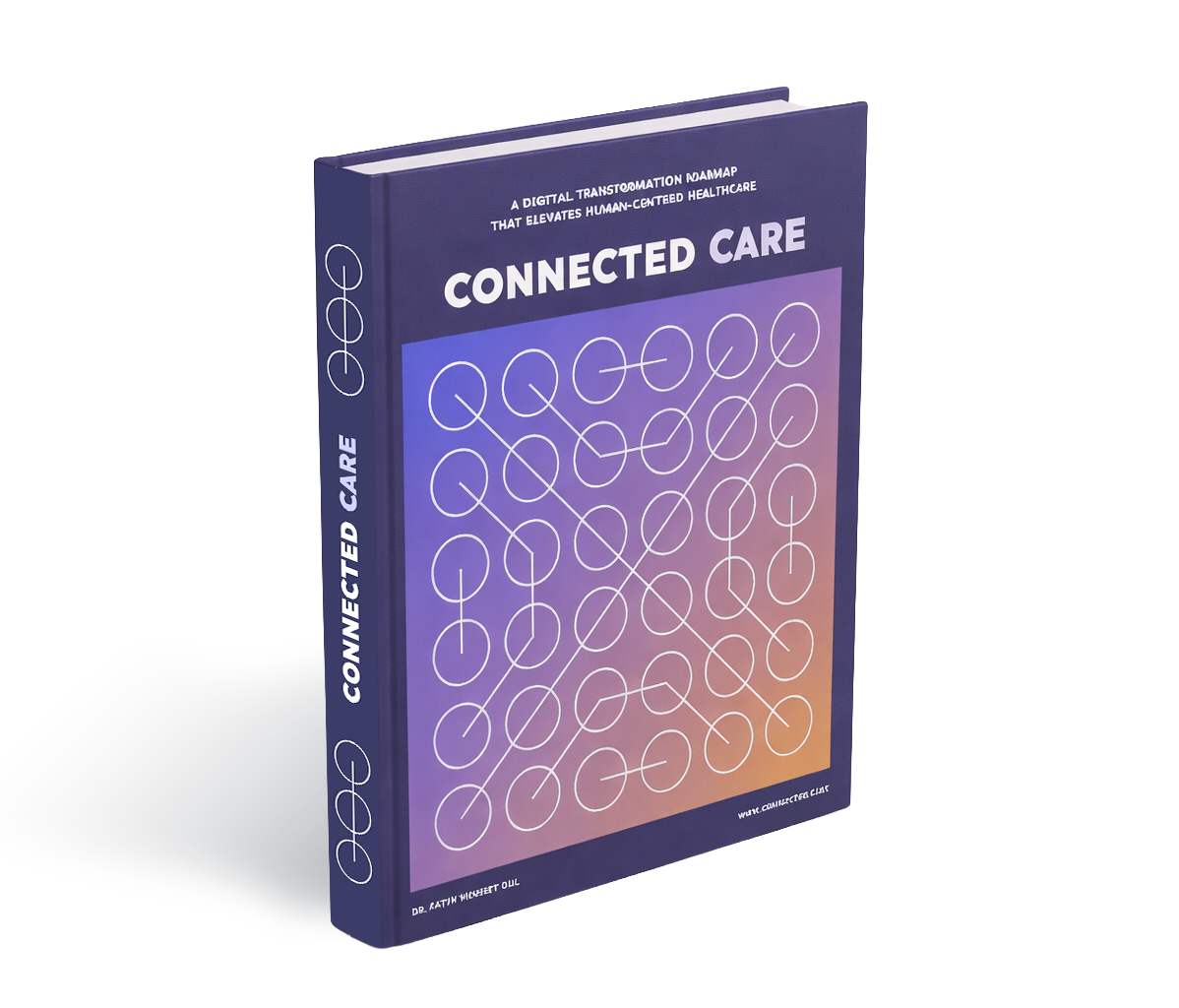
Enjoyed this article? There is more in Connected Care.
Many of the ideas here began in my book on healthcare leadership and digital transformation.
Dr Fatih Mehmet Gul is a physician and healthcare executive who has built, commissioned and led hospitals across the Gulf and Türkiye. He is an Honorary Professor at UCL Global Business School for Health, author of Connected Care, and host of The Chief Healthcare Officer podcast.
More insights →