When the World Shakes, Healthcare Shows Up
Other industries can pause in a crisis. Healthcare cannot. A reflection on the quiet courage of the people, clinical and non-clinical, who keep hospitals open when the region is under strain.
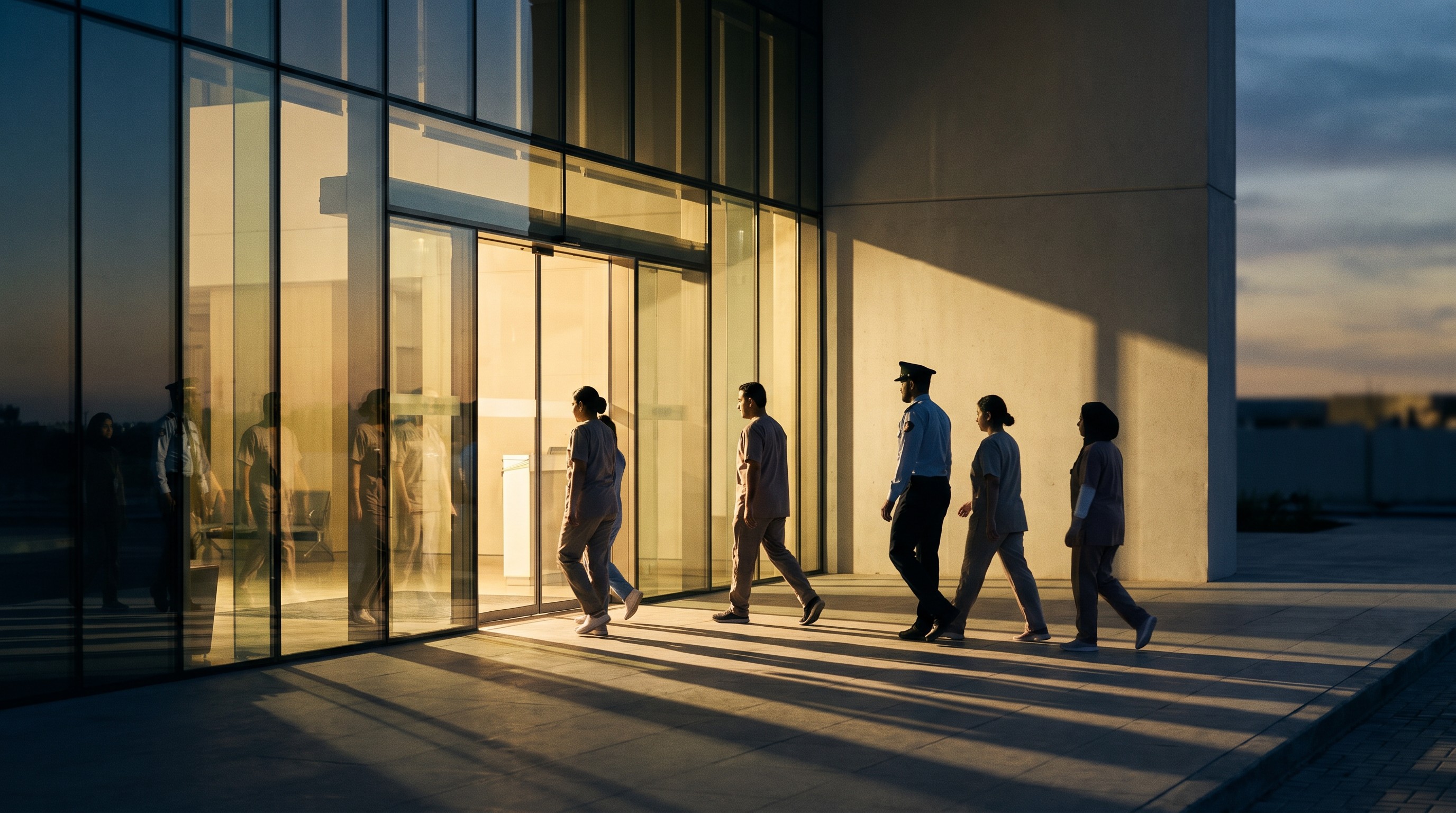
There are moments in history that test the character of nations, communities and professions. We are living through one of those moments again.
The Middle East, a region of ancient civilisation and remarkable people, is facing another period of deep uncertainty. As the world watches and worries, one group of people is doing what it has always done: showing up.
COVID-19 was the defining crisis of our generation. I remember the stillness of the cities and the empty streets. And yet hospital corridors were full, operating theatres were running and emergency departments were receiving. While whole economies moved to working from home, our people walked towards the very thing everyone else was avoiding. That never left me.
Healthcare is an ecosystem
We rightly celebrate clinical heroes: the physician who stays through the night, the nurse who holds a patient's hand because the family cannot be there. But when I speak about the resilience of healthcare, I mean everyone. The security officer at the entrance. The receptionist who answers when a frightened voice does not know where else to turn. The finance team processing claims so the hospital can keep caring. The supply chain team moving critical medicines across borders that are harder to cross every week. The cleaners, porters, catering staff and the IT technician who makes sure a clinician can open a record in time.
Healthcare is not a department. It is an ecosystem, and every person in it is a caregiver in their own way.
Three moments I will never forget
I once wrote a formal letter to the police asking that a traffic fine be waived. One of our paediatricians had run a red light in the middle of the night, rushing to the hospital for an infant who needed her. She did not hesitate or calculate. She drove. I wrote that letter with pride.
One of our interventional cardiologists came to the hospital while he was himself ill with COVID, because a patient had arrived with a heart attack. He could not enter the procedure room; the infection risk was too great. So he stood in the reporting room, masked and feverish, and guided his colleagues through every step, protecting his patient while he was the one who needed rest.
And a member of our outpatient team, a mother, came to work on days when public safety alerts were being broadcast two or three times a day. She left her unsettled children at home and came in to make sure patients could still be seen, smoothly and with warmth. I think about what it took to close that door behind her on those mornings.
These are not people unlike us. They are exceptional because, when the moment asked something extraordinary of them, they gave it quietly and without being asked twice.
This time, it is our region
The situation in our region is heavy. Many colleagues and friends across the Middle East are carrying that weight as parents and neighbours, not only as professionals. And yet they are still walking through the doors of their hospitals. I am proud that The View Hospital, the Korean Medical Center and hospitals across the region have remained fully operational: every service, every department, every team.
What healthcare has always known
Other industries have contingency plans for a crisis. They close offices, move to remote work and defer decisions. Healthcare cannot defer. A patient's emergency does not wait for geopolitical stability, and a mother in labour does not pause because the news is difficult. So the people of healthcare do not pause either.
That is the unwritten contract of our profession. It is not in any employment agreement, but everyone who chooses this path understands it: your presence is not optional when it is needed most.
Questions for boards and leadership teams
- Do our business continuity plans include the non-clinical teams that keep the hospital running?
- How are we supporting staff whose families are anxious while they are at work?
- Do we recognise quiet acts of courage, or only visible achievements?
- After the crisis, will we capture what we learned while it is still fresh?
Healthcare is not a department. It is an ecosystem, and every person in it is a caregiver in their own way.
The doors are open. The teams are here. The care continues, and calmer days are on their way.
First published in The Chief Healthcare Officer newsletter on LinkedIn.
Continue reading
- “How Are You?” Caring for the People Who Care. Burnout among healthcare workers is a patient-safety risk, not only a personal one.
- A Culture of Recognition Saves Lives. Engaged staff deliver safer care, and recognition is one of the strongest drivers of engagement.
- What a Hospital Turnaround Teaches. Turnarounds are not delivered by one leader.
Topics: #HealthcareWorkforce · #HospitalLeadership · #GulfHealthcare
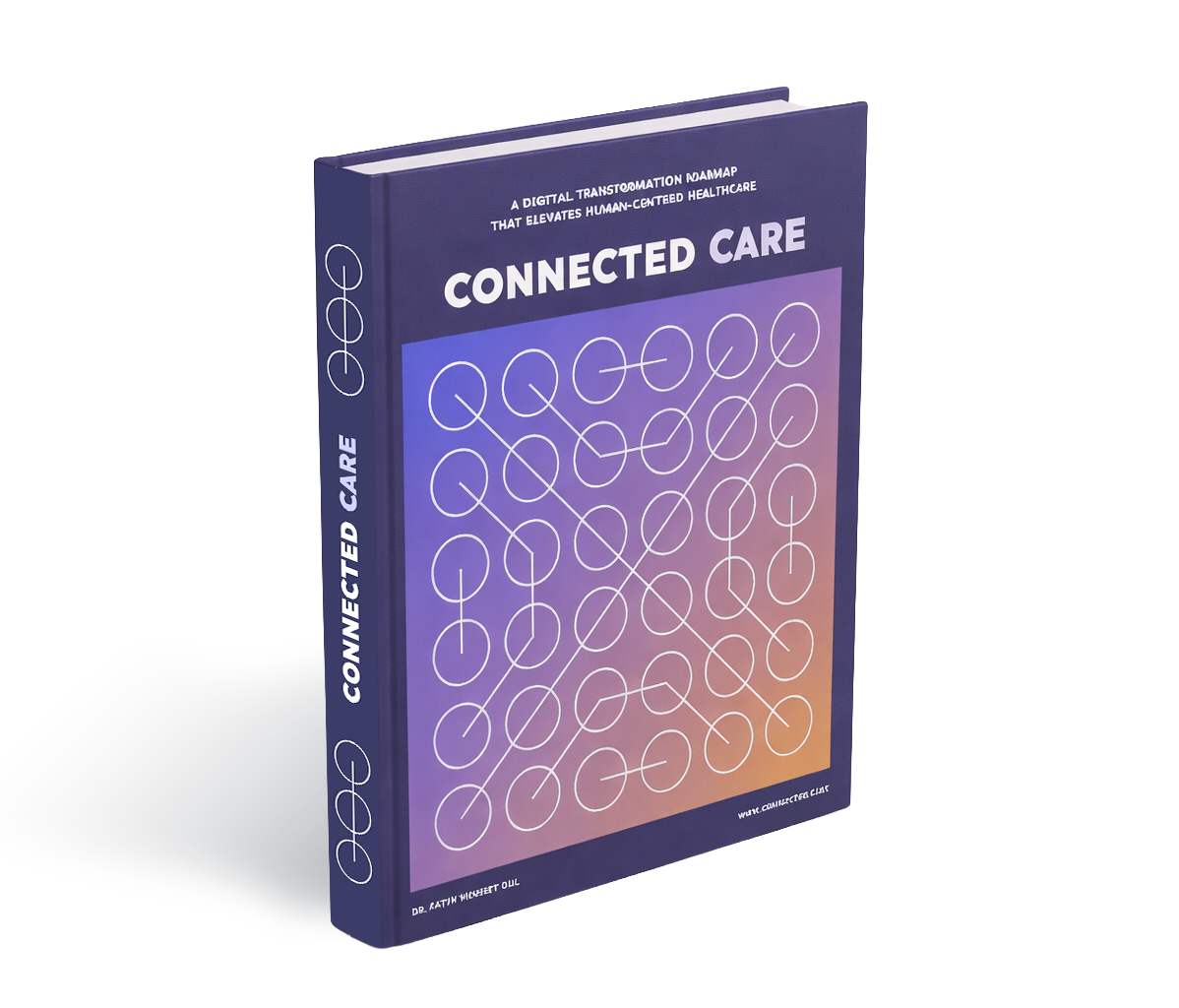
Enjoyed this article? There is more in Connected Care.
Many of the ideas here began in my book on healthcare leadership and digital transformation.
Dr Fatih Mehmet Gul is a physician and healthcare executive who has built, commissioned and led hospitals across the Gulf and Türkiye. He is an Honorary Professor at UCL Global Business School for Health, author of Connected Care, and host of The Chief Healthcare Officer podcast.
More insights →